
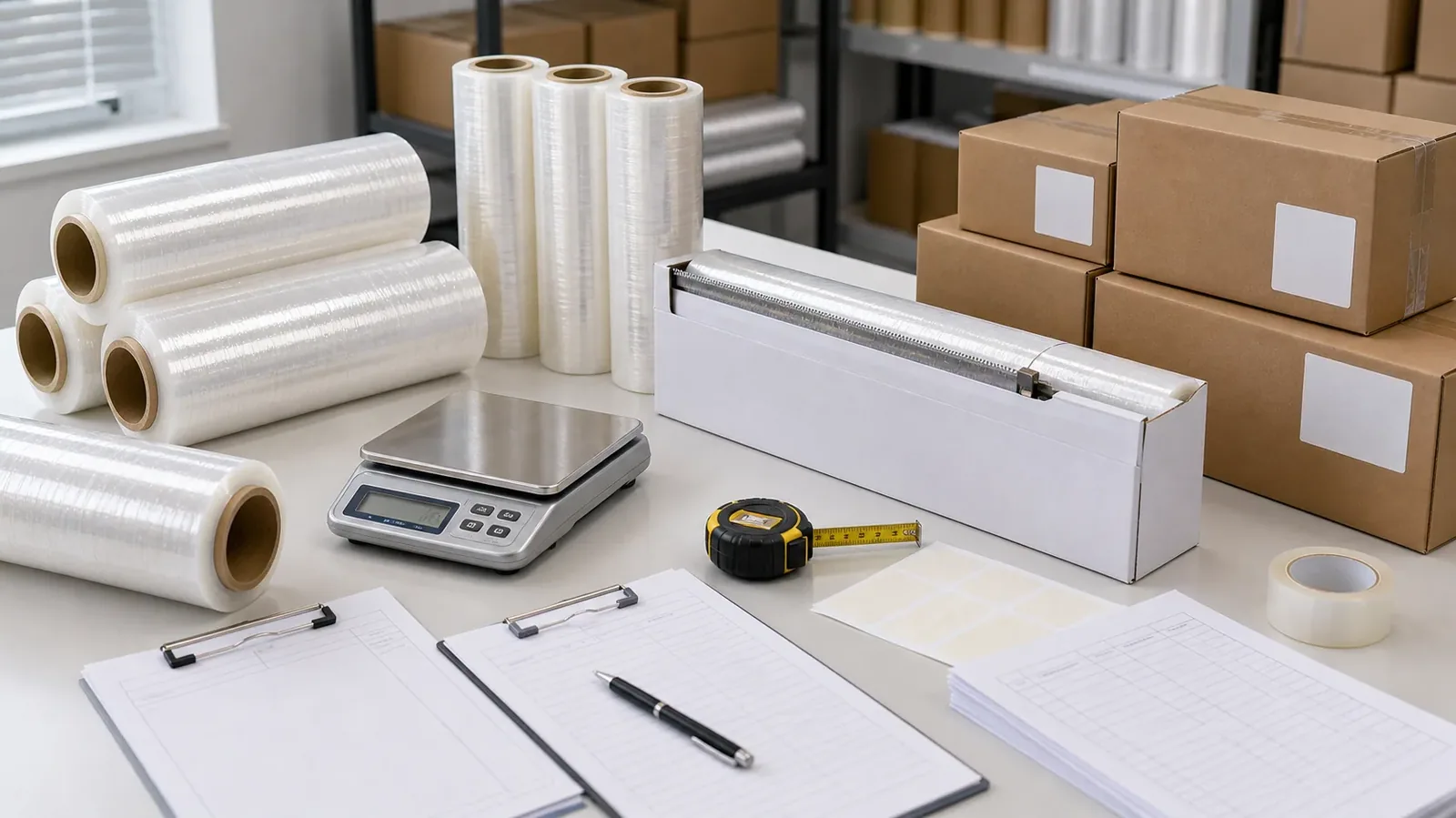
Cling film quotes can look similar on the first line, but the real cost can change when width, length, thickness, roll weight, core size, carton quantity, carton dimensions, and loading plan are compared side by side. Importers should not approve a supplier only because the roll price is lower. A fair quote comparison starts by matching the product specification, then checking packaging, sample performance, and landed cost.
Roll weight and length
Carton packing
Landed cost
- Do not compare cling film suppliers by roll price alone. Match width, thickness, length, roll weight, core size, and packaging first.
- A cheaper roll may be shorter, thinner, lighter, packed with fewer rolls per carton, or shipped in inefficient cartons.
- Carton dimensions, gross weight, pallet plan, and loading quantity can change landed cost.
- Finished cutter box rolls and jumbo rolls should not be compared with the same price logic.
- Before paying a deposit, ask for a full quote sheet, sample approval details, and carton packing data.
This guide was prepared from YIYUAN cling film product information, export quotation review experience, and common B2B buyer checks for food wrap orders. It explains purchasing logic rather than fixed pricing. Buyers should request updated quotes, samples, document availability, and carton data for their exact order quantity and destination market.
To compare cling film quotes correctly, buyers should align the technical specification first, then compare packaging and landed cost. The minimum comparison fields are material, width, thickness, roll length, roll weight, core size, packaging style, pieces per carton, carton dimensions, gross weight, and loading plan. Only after these fields match does unit price become meaningful.
Why Roll Price Alone Is Not Enough
A low roll price can hide a shorter length, lower roll weight, thinner film, weaker cutter box, smaller carton quantity, or larger carton volume. The buyer may think the order is cheaper, but the local customer receives less usable film or the importer pays more freight per roll.
This is a common problem for wholesalers who resell cling film to restaurants, supermarkets, and local distributors. Their customers remember how long the roll lasts and how the film feels during daily use. If the product is short, tears easily, or arrives in weak cartons, the first purchase price will not protect repeat business.
Representative buyer scenario: An importer receives two quotes for 450 mm cling film. Supplier A has a lower roll price, but the quote does not show roll weight or carton size. Supplier B includes width, length, thickness, core, carton quantity, and gross weight. The buyer cannot compare fairly until Supplier A gives the missing data.
Start With Matched Product Specifications
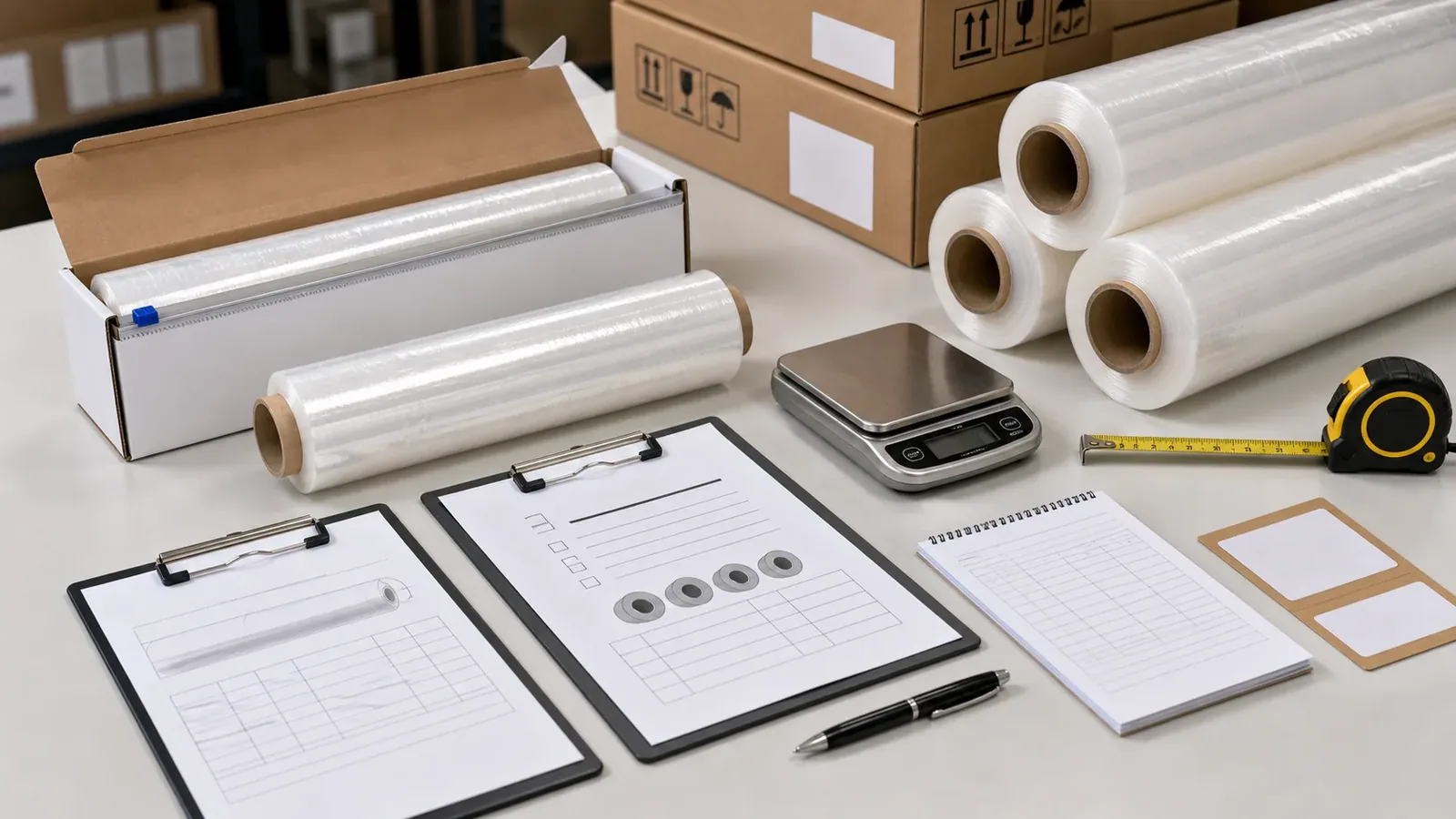
The first step is to make every supplier quote the same product. A quote for PE cling film, PVC fresh wrap, commercial cutter box rolls, refill rolls, and jumbo rolls can all use different cost structures. The buyer should define the product format before asking for price.
| Field | What to Ask | Why It Matters |
|---|---|---|
| Material | PE, PVC, or other specified film type | Material affects use case, feel, clarity, cling, and document review. |
| Width | Roll width in mm or inches | Width affects tray coverage, cutter box size, carton size, and cost. |
| Thickness | Micron or another agreed thickness basis | Thin film can lower price but may change tearing, stretch, and feel. |
| Roll length | Meters, feet, or another clear unit | A cheaper roll may simply contain less usable film. |
| Roll weight | Net roll weight and gross carton weight | Weight helps check material quantity and freight planning. |
| Core size | Inner core diameter and core material if relevant | Core size affects dispenser, cutter box, and rewinding fit. |
Buyers can start from YIYUAN’s Commercial Cling Film Roll and cling film product range, then request a quote with matched fields.
Compare Roll Weight and Roll Length Together
Roll length and roll weight should be reviewed together. A long roll may still be light if the film is thinner than expected. A heavier roll may not be better if the width or thickness is different. Buyers should avoid comparing one number without the full specification.
For finished rolls, roll length is important because end users feel how long the roll lasts. For jumbo rolls, weight is often more important because converters calculate material cost and rewinding output. The buyer should know which purchasing logic fits the order.
Compare usable length
Restaurant and retail buyers should check roll length, box quality, and customer use experience.
Compare material weight
Rewinders should compare roll weight, width, core, winding quality, and conversion waste.
Compare landed cost
Importers should include carton volume, loading plan, freight, damage risk, and warehouse handling.
Carton Packing Can Change the Real Price
Carton packing is often the hidden difference between quotes. One supplier may pack fewer rolls per carton. Another may use cartons that are too large for efficient loading. A third may use weak cartons that increase damage risk. These details affect the buyer’s actual cost after freight and local handling.
Ask every supplier for pieces per carton, carton dimensions, net weight, gross weight, carton mark, pallet option, and loading estimate if the order is container-sized. When the buyer imports mixed SKUs, carton labels should make each width and roll length easy to identify in the warehouse.
Do Not Compare Finished Rolls and Jumbo Rolls the Same Way
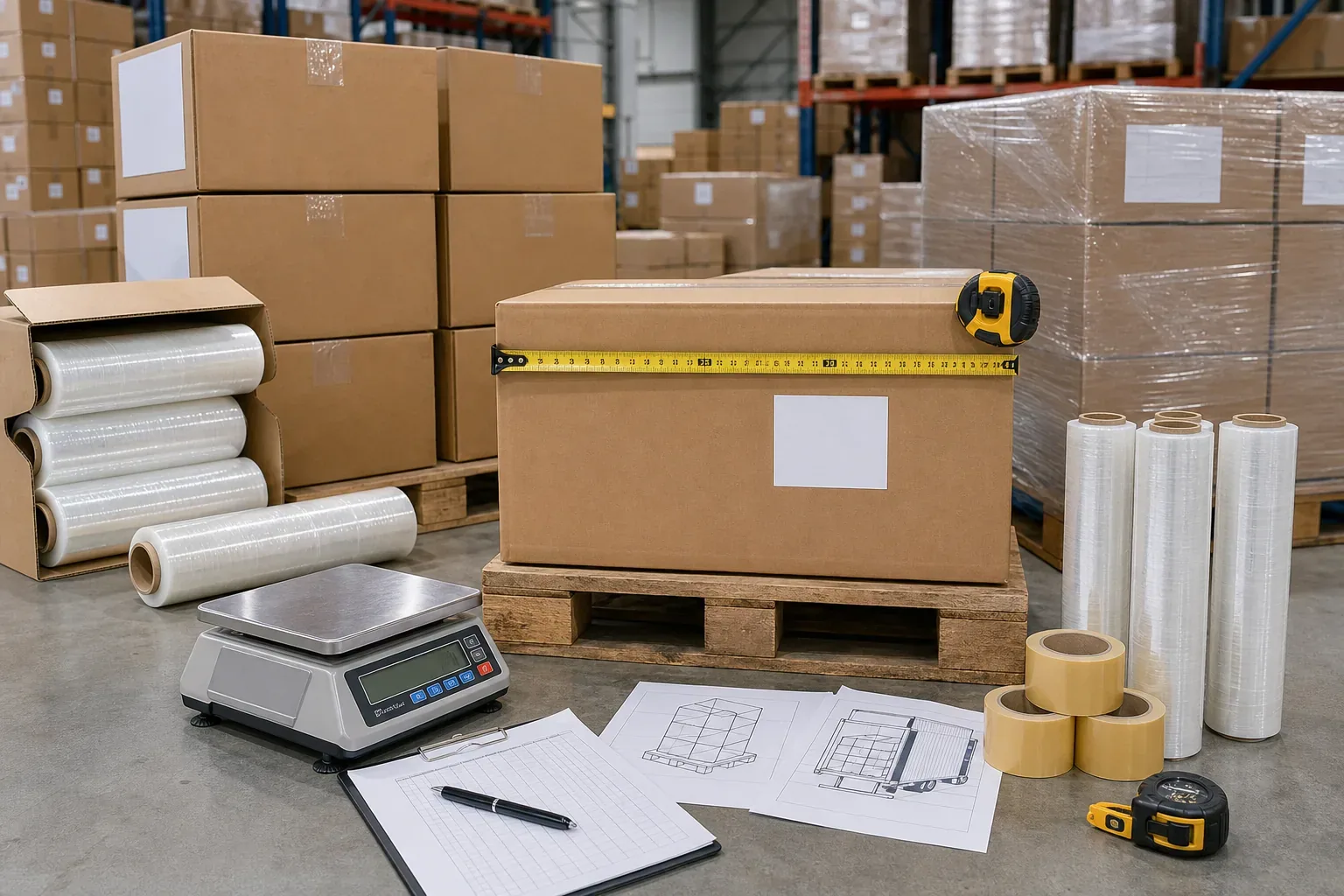
A finished cutter box roll includes film, core, box board, blade, printing, carton packing, labor, and retail or food-service presentation. A jumbo roll is closer to raw material for rewinding or conversion. Comparing these two products by one unit price creates confusion.
If the buyer is a distributor, finished rolls may be more practical because they are ready to sell. If the buyer owns a rewinding line, jumbo rolls may reduce local packaging cost. The right choice depends on equipment, labor, packaging needs, MOQ, and customer expectations.
Sample Approval Should Match the Quote
The approved sample should match the quoted specification. If the buyer tests one sample but orders another thickness, length, box structure, or carton packing, the sample result may not predict bulk order performance. This matters especially for first orders and private-label packaging.
- Check whether the sample width, thickness, length, roll weight, and core match the quote.
- Test film on real trays, containers, or kitchen use cases.
- Check cutter box blade, box strength, pull-out behavior, and roll rotation if boxed.
- Review carton sample, carton label, and packing quantity before bulk shipment.
- Keep an approved sample or photo record for pre-shipment comparison.
- Confirm available product documents or inspection files before paying a deposit.
Quote Sheet Fields Buyers Should Require
A clear quote sheet reduces repeated messages and prevents later disputes. Buyers should ask suppliers to quote in the same structure so the comparison is visible.
- Material and intended use: PE, PVC, commercial roll, supermarket wrap, or jumbo roll.
- Width, thickness, roll length, roll weight, and core size.
- Packaging style: refill roll, cutter box, retail box, private label, or jumbo roll.
- Pieces per carton, carton size, gross weight, and net weight.
- MOQ, sample availability, lead time, and printing or artwork requirements.
- Available food-contact, test report, inspection, or batch documents where relevant.
- Loading plan for pallet or container orders.
Frequently Asked Questions
How should buyers compare cling film quotes?
Buyers should match material, width, thickness, length, weight, core size, packaging, carton quantity, carton size, and loading plan before comparing unit price.
Why is one cling film quote much cheaper?
The cheaper quote may use shorter length, thinner film, lower roll weight, fewer rolls per carton, weaker packaging, or less complete document support.
Should I compare cling film by roll price or kilogram price?
Use roll price for finished rolls only after all specs match. Use kilogram price mainly for material-heavy or jumbo roll comparison, then check conversion and packing cost separately.
How does carton packing affect cling film landed cost?
Carton size, carton strength, pieces per carton, gross weight, pallet plan, and loading quantity affect freight, damage risk, warehouse storage, and final landed cost.
What should I ask before accepting a low price?
Ask for full roll specifications, roll weight, carton dimensions, sample confirmation, packaging details, loading plan, and available documents for the target market.
Can YIYUAN quote against my current supplier sample?
Yes. Buyers can send current sample photos, roll labels, carton labels, target specifications, and order quantity so YIYUAN can compare against a clearer quotation base.
Final Notes
A useful cling film quote is not just a price number. Send your width, thickness, roll length, roll weight target, packaging style, carton data, and sample expectations so YIYUAN can help prepare a matched quotation for review.