

The best opening assortment is not the one with the most widths and lengths. It is the smallest set that covers distinct customer jobs without filling the warehouse with near-duplicates. Channel, tray size, dispenser, roll-change frequency, carton quantity, and price position should earn every SKU its place.
Questions distributors ask after the launch stock arrives
When should a slow SKU be removed? Review sample conversion, customer reorders, substitutions, stock age, margin, and whether sales reached the intended channel before treating slow movement as a product failure.
Should two similar widths be launched together? Only if they solve clearly different customer jobs or dispenser constraints. Compare candidate formats on the commercial roll page, then test demand with a focused opening range.
Map Channel Before Roll Size
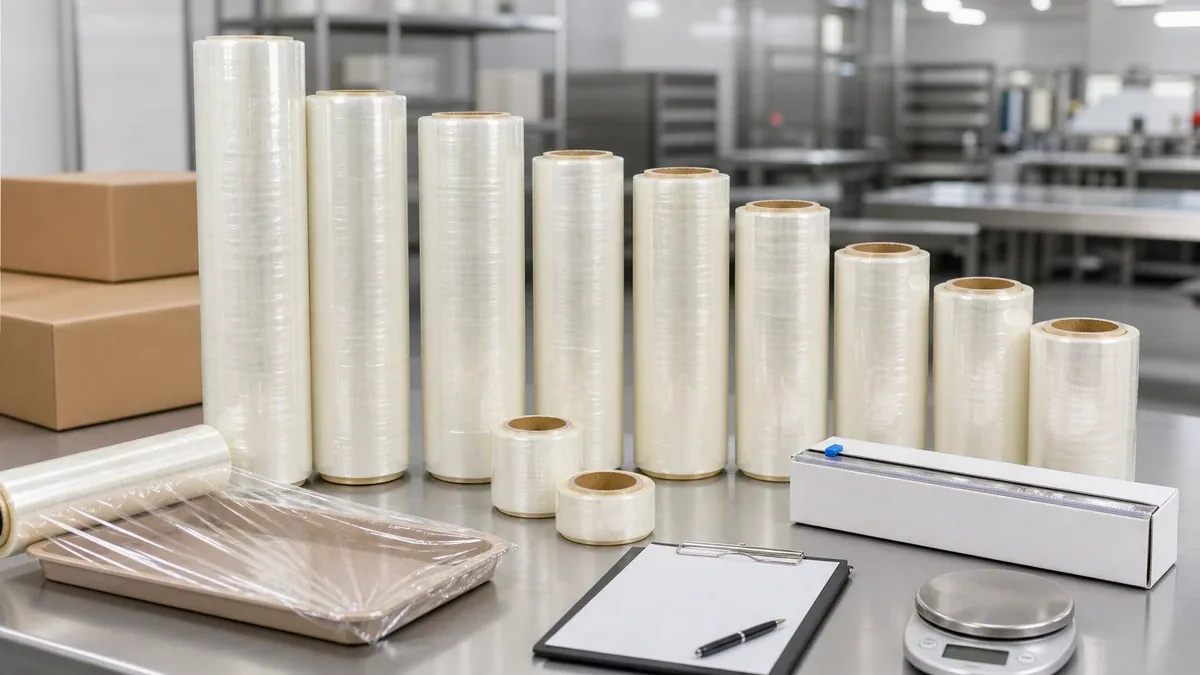
Ask what customers wrap, which tray and pan widths dominate, whether rolls sit on a kitchen bench or retail shelf, how often they change rolls, and what dispenser they own. A longer roll can reduce changeovers in a commercial kitchen but may be too heavy or bulky for another workstation.
| Decision | Customer Evidence | SKU Risk |
|---|---|---|
| Width | Common tray, pan, bowl, and counter dimensions | Too narrow for coverage or excess film waste |
| Length | Daily use, changeover frequency, roll handling | Slow-moving size or inconvenient loaded roll |
| Pack format | Refill, cutter box, slide cutter, dispenser ownership | Incompatible or duplicated formats |
| Carton quantity | Customer order size, shelf and warehouse capacity | High unit handling or excessive stock |
| Price tier | Target margin, verified film quantity, channel expectation | False economy from noncomparable specifications |
Make Each SKU Earn Its Place
Write a one-line job for every proposed item. If two rolls serve the same channel, container range, price level, and cutter need, launch evidence may not justify both. Compare minimum order quantities, master cartons, pallet positions, artwork costs, replacement parts, and stock aging before adding a minor length variation.
Trial With a Balanced Assortment
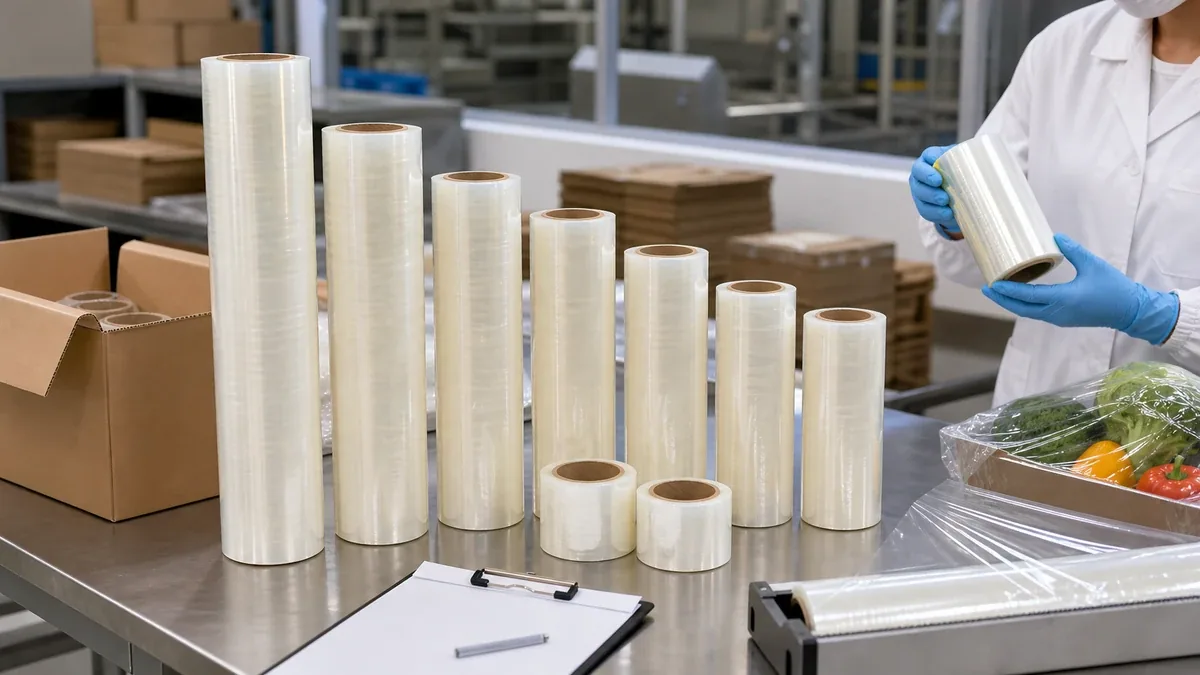
A trial can include core channel sizes rather than the entire future catalog. Supply samples to named customer types and record actual tray coverage, handling, unwind, cutting, changeover, price response, and reorder intent. For operations that need pre-cut formats, compare the role of perforated and continuous film rather than treating them as direct substitutes.
Track Data at SKU Level
Monitor inquiries, sample conversion, sell-through, gross margin, repeat orders, stock age, returns, complaints, carton damage, and substitutions. Total cling film sales can hide one slow item and one stockout. Keep channel and customer type with the sales record so demand is not attributed to the wrong format.
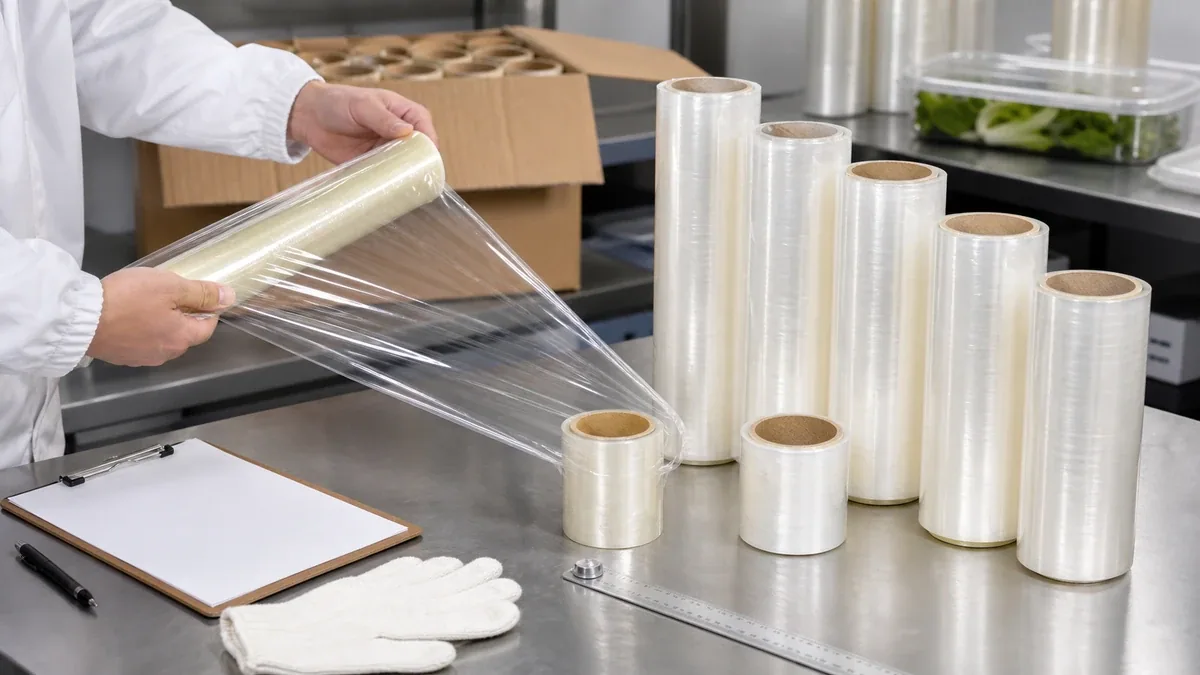
Expansion gate: Add a SKU when it solves a documented customer job that current stock cannot serve profitably. A competitor catalog is a research input, not demand proof.
Review the Assortment on a Fixed Cycle
Decide which SKUs to keep, revise, combine, reorder, promote to a different channel, or discontinue. Preserve enough continuity that repeat customers do not face silent changes. The broader commercial roll guide helps frame food-service formats.