
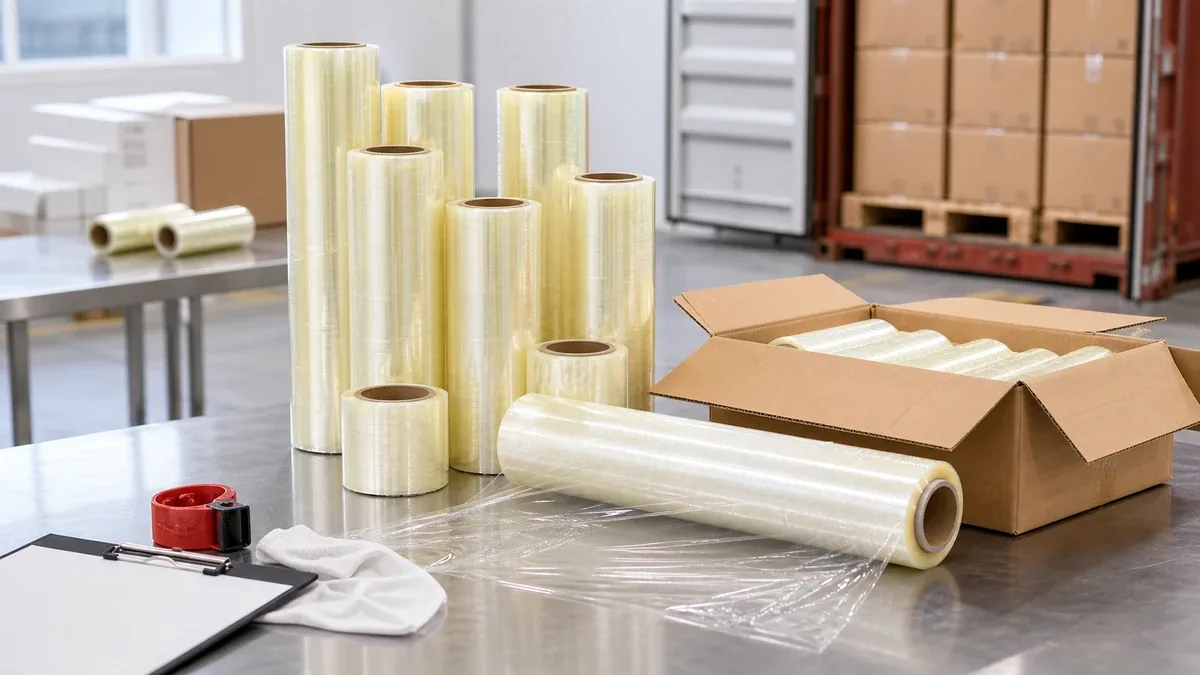
Receiving teams see a different product from pre-shipment inspectors: cartons have crossed a route, pallets may have shifted, and warehouse clocks are already running. The first check is therefore identity and condition under arrival evidence, followed by measurements and use tests that can be traced to a lot.
Questions that matter in the first hours after arrival
Should damaged cartons be opened before photographs are taken? Preserve the seal, pallet position, marks, and wide views first. Then open selected cartons under a recorded process so transport evidence is not lost.
Can incoming results be compared with any retained roll? Use the approved or lot-matched reference named in the order. The commercial film page identifies supplier formats but does not replace shipment-specific records.
Prepare Before the Doors Open
Have the bill of lading details, packing list, container and seal numbers, carton marks, pallet plan, product specifications, and pre-shipment report available. Assign someone to photograph the unloading condition and someone to record exceptions. If a seal number or container identity differs, follow the importer, carrier, and customs procedure before unloading.
| Stage | Record | Do Not Lose |
|---|---|---|
| Before opening | Container sides, doors, number, seal, visible damage | Wide photos showing identity and context |
| Doors opened | First view, leaning cargo, gaps, moisture, fallen cartons | Condition before anyone rearranges the load |
| Unloading | Pallet shift, crushed areas, wet cartons, broken wrap | Location of each exception in the container |
| Warehouse check | Counts, carton marks, opened samples, roll and box condition | Links between affected cartons and product lots |
Quarantine Exceptions by Location and Lot
Separate wet, crushed, punctured, shifted, or unidentified cartons. Do not combine them with saleable stock while the scope is being established. Mark the container position, pallet, carton number, SKU, lot, and damage type. Photograph the outer pack before opening it, then show any related damage inside.
Open a Distributed Sample
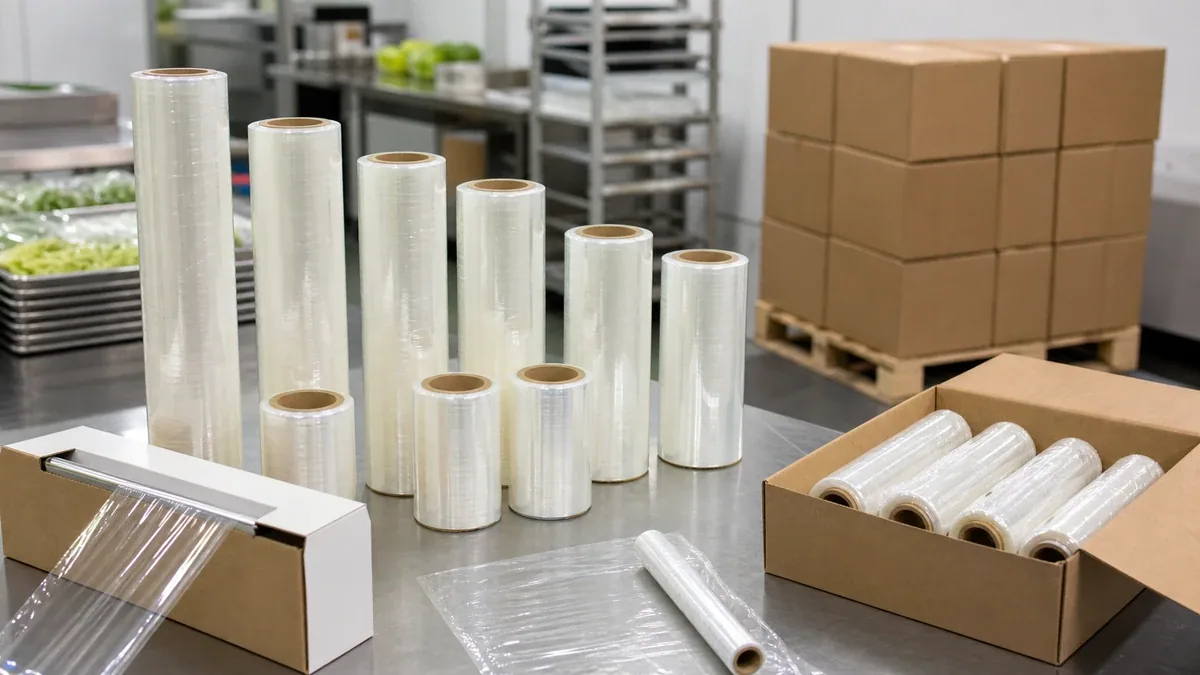
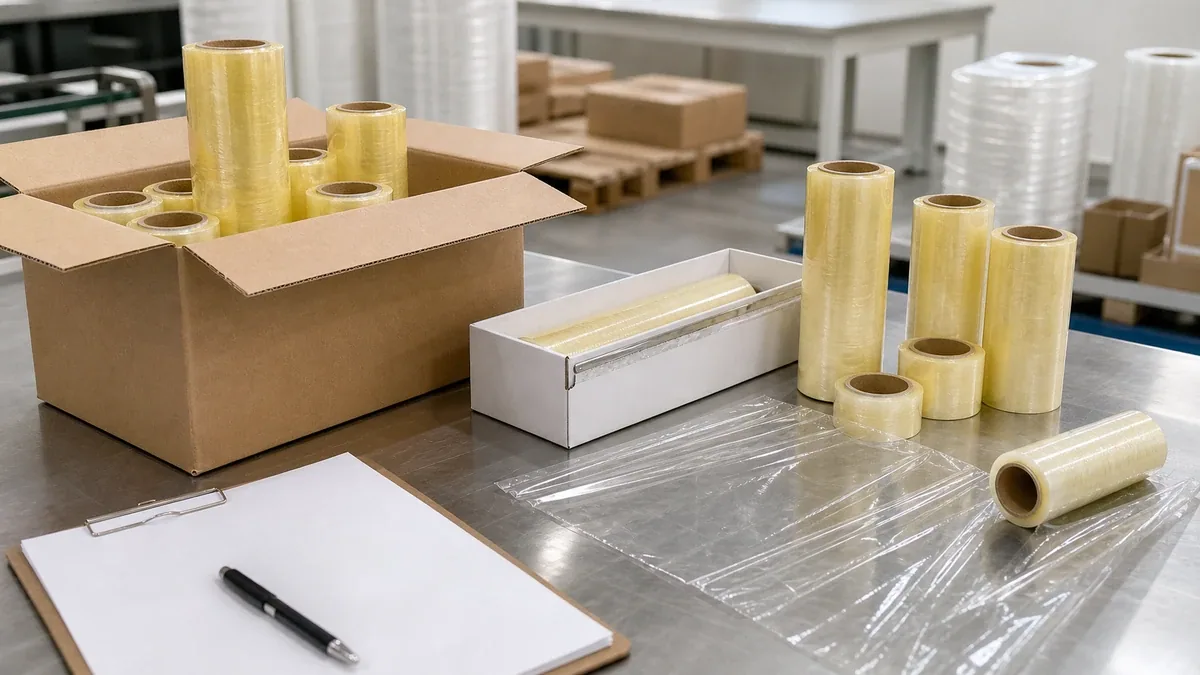
Select cartons across the load, not only from the easiest pallet. Include visibly affected areas and apparently sound reference areas. Check retail box shape, cutter fixing, roll profile, core condition, labels, pack count, and obvious contamination or moisture evidence. Run limited functional checks on unwind and cutting where the receiving procedure allows.
Reconcile Physical Quantity
Compare pallet count, cartons per pallet, loose cartons, pieces per carton, SKU distribution, and total quantity with the packing list. Record mixed or unmarked cartons separately. A weight comparison may flag a possible discrepancy, but it does not replace a defined physical count because cores and packaging vary.
Create Evidence That Supports the Next Action
- Preserve original high-resolution photos with timestamps where available.
- Keep carton labels and product lots visible in close-up evidence.
- State how many cartons and units were examined.
- Describe affected quantity without extrapolating from one carton.
- Retain samples from affected and apparently sound stock.
- Notify relevant supplier, carrier, insurer, or surveyor within applicable timelines.
- Record release, rework, hold, or claim decisions by SKU and lot.
The receiving record should be compared with the pre-shipment inspection plan and the approved carton loading configuration. Differences help identify whether the issue existed before shipment or developed in transit.