
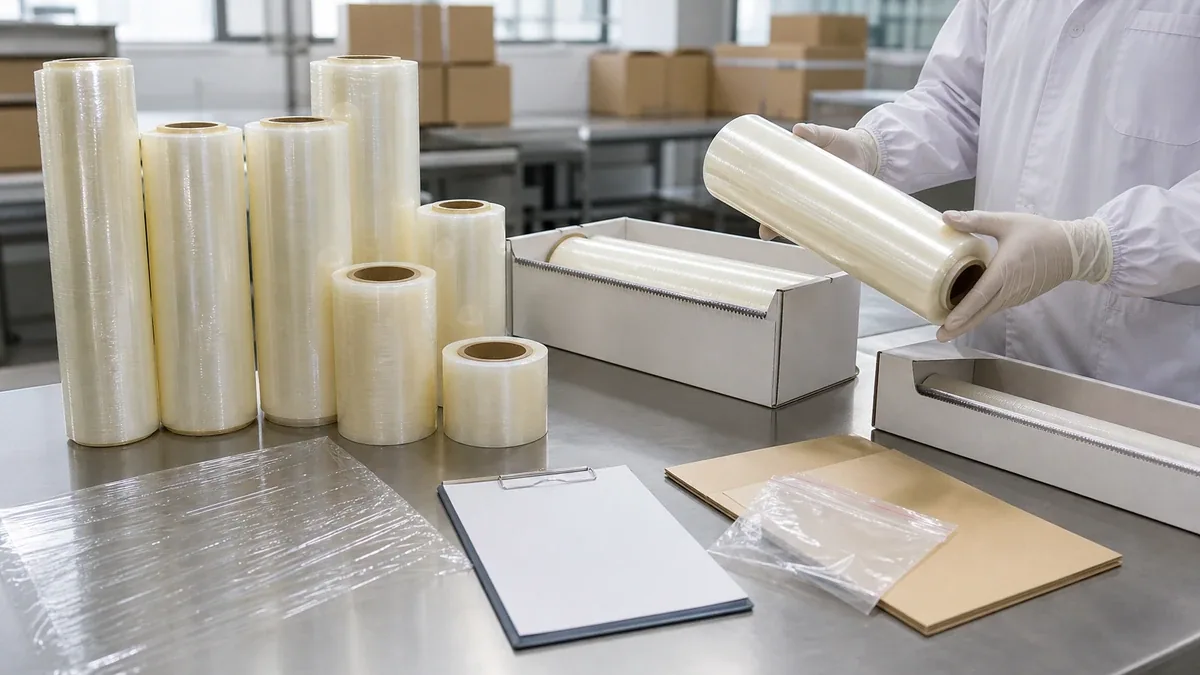
Pre-shipment inspection works only when the inspector can turn the purchase agreement into observable checks. “Random inspection” is not enough: the brief needs the lot definition, sampling rule, defect classes, tools, approved references, and the person who makes the release decision.
Freeze the Reference File First
Give the inspector the signed purchase specification, approved samples or sample photos, artwork, packaging drawings, purchase order, carton marks, pallet requirements, and any agreed test methods. Mark the revision and date on each controlled file. Conflicting documents should be resolved before the visit, not interpreted on the factory floor.
| Inspection Block | Core Evidence | Release Question |
|---|---|---|
| Identity and status | SKU, material declaration, lot, artwork revision, production completion | Is this the ordered and completed product? |
| Quantity | Carton count, pieces per carton, packing list, selected recounts | Does physical stock support the shipment quantity? |
| Dimensions | Width, thickness, length or net film weight, core, roll profile | Do individual readings meet the agreed limits? |
| Function | Unwind, tack, wrapping, cutter, box, dispenser fit | Does the complete product work as approved? |
| Shipment pack | Carton, marks, gross weight, pallet, loading photos | Is the order packed and identifiable for transit? |
Write Sampling and Acceptance Rules Explicitly
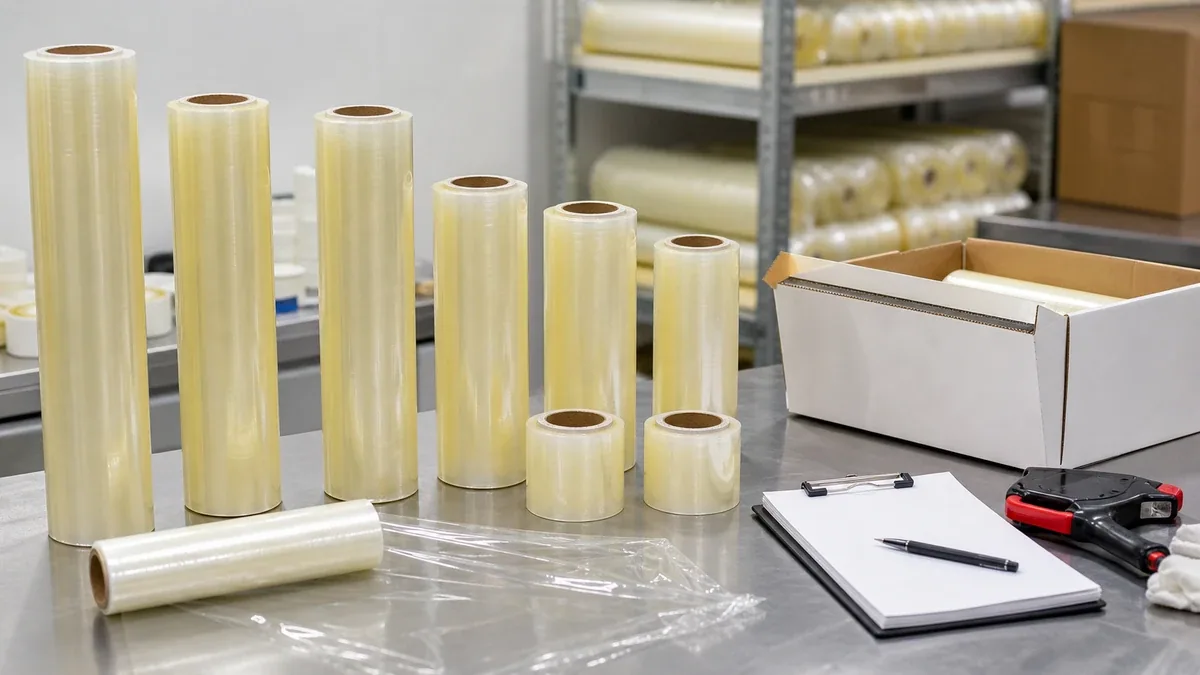
The buyer, supplier, and inspection provider should agree how lots are defined, how cartons and units are selected, which checks are performed on every selected unit, which tests are destructive, and what constitutes acceptance. If a recognized sampling standard is used, record the exact edition, inspection level, classification, and acceptance settings in the instruction rather than mentioning only the standard name. ISO lists ISO 2859-1:2026 as the third edition published in January 2026, replacing the 1999 edition; it provides sampling schemes but does not choose the buyer’s defect categories or commercial release rules.
Critical, major, and minor categories should reflect the actual sales and use risk. A wrong SKU, unsafe exposed cutter, missing quantity, unreadable retail barcode, cosmetic print mark, and slightly dented outer carton do not belong in one undifferentiated defect total.
Measure Film Quantity With an Agreed Method
Thickness, width, roll length, and net film weight are related but not interchangeable. Specify tools, measurement locations, conditioning, core deduction, rounding, and whether a destructive unwind is required. The roll length and net film weight procedure can be attached to the inspection brief.
Test the Complete User Experience
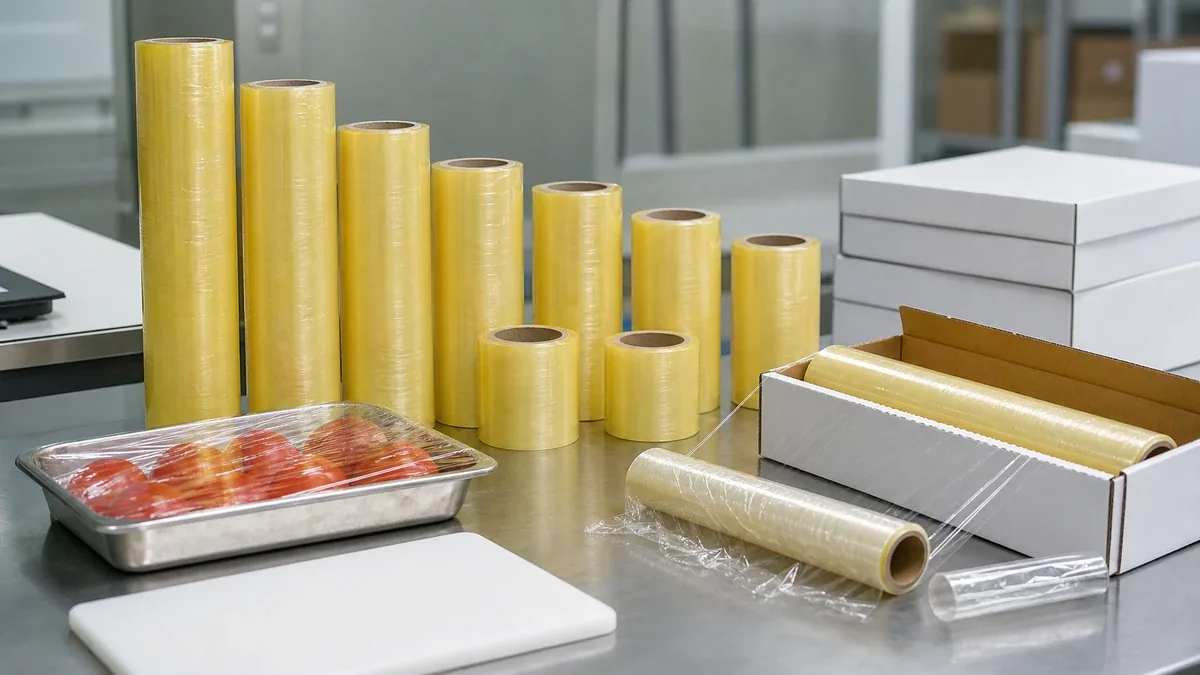
Open selected finished packs. Confirm that the roll fits, rotates, unwinds, adheres in the intended wrapping trial, and cuts with the approved box or dispenser. Look for blocking, telescoping, torn edges, core collapse, loose blades, weak box seams, or print and label errors. Record the food simulant or clean test surface used so later results are comparable.
Inspect Beyond the Retail Unit
Verify pieces per carton, carton dimensions, gross weight, closure, shipping marks, barcode where required, pallet pattern, protection, and visible storage condition. Open cartons from different positions, including lower pallet layers when accessible. The master carton testing plan is separate from routine shipment inspection, but its approved construction should match bulk.

Require a Decision-Ready Report
- Order, SKU, lot, location, date, and inspector identity
- Available quantity and production or packing status
- Sampling method and actual sample distribution
- Individual measurements, not only averages
- Defect descriptions linked to product and carton IDs
- Clear photos of labels, readings, failures, and overall stock
- Pass, fail, or pending result against the buyer’s written rules
Release remains a buyer decision: An inspection report describes sampled evidence against instructions. It does not replace regulatory review, shipment insurance, or the buyer’s authority to accept, rework, reinspect, or reject.
Questions to put into the inspector’s brief
Does an AQL result release the shipment automatically? No. ISO 2859-1 provides sampling schemes; it does not choose the buyer’s defect classes or override the buyer’s release authority.
Which product record should the inspector receive? Use the signed purchase specification and approved sample first. YIYUAN’s commercial roll page can confirm supplier scope, while the public PE report remains evidence for only its identified submitted sample.