
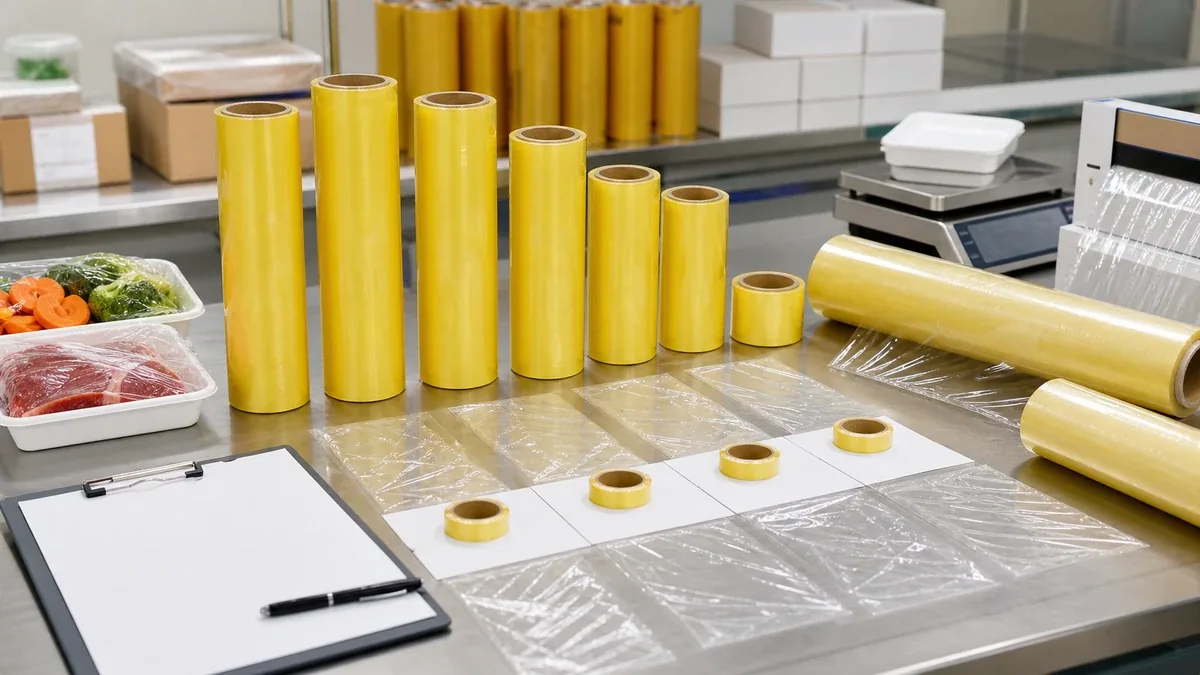
An odor complaint becomes harder to solve every time someone rewrites the observation as a diagnosis. Record what was noticed, preserve unopened rolls and the printed pack, and separate sensory comparison from any conclusion about chemical safety. The evidence should narrow the question before a laboratory is asked to answer it.
Questions buyers ask once stock is on hold
Can a sensory panel identify the chemical cause? No. A controlled comparison can confirm a perceived difference, but substance identity and health significance require an appropriate technical investigation.
Does YIYUAN’s PE report clear another complaint lot? No. The public report covers one identified submitted PE sample. Use the commercial product record to identify the ordered format, then investigate the complaint samples and their actual use conditions.
Record the Complaint in the Customer’s Words
Capture what was noticed, by whom, when, and under which conditions without rewriting it as a diagnosis. Record the food, contact time, storage, temperature, heating or refrigeration, film side in contact, dispenser or cutter box, other packaging, cleaning products, and surrounding odors. Ask whether the observation came from the loose film, wrapped food, empty pack, or food after contact.
| Evidence Group | Collect | Why It Matters |
|---|---|---|
| Product identity | SKU, lot, carton, roll label, purchase and delivery dates | Defines the stock potentially involved |
| Complaint sample | Sealed unused rolls, used film, box, food where appropriate | Preserves the reported context |
| Reference | Supplier retain, importer retain, sound unit from same and other lots | Supports controlled comparison |
| Environment | Warehouse, retail, kitchen, inks, cleaners, adjacent goods | Checks possible external sources |
| Use condition | Food type, duration, temperature, contact, handling | Connects the review to intended use |
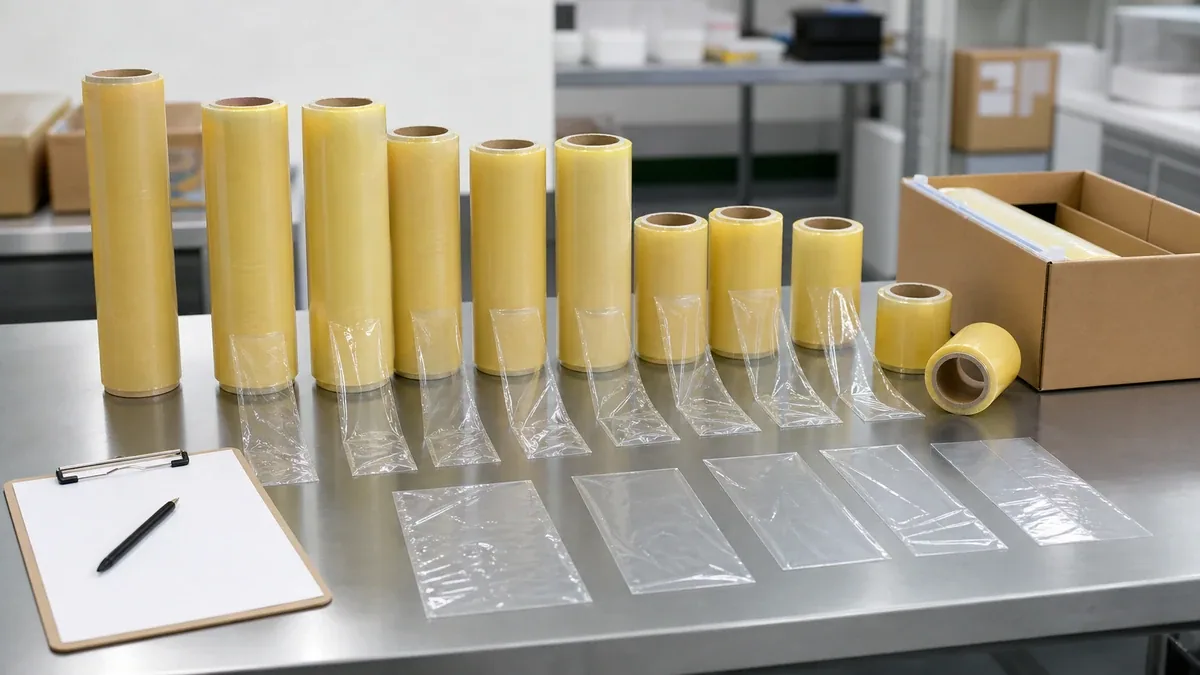
Separate Film From Packaging and Storage
Printed cutter boxes, labels, inks, adhesives, outer cartons, pallets, warehouse chemicals, transport conditions, and nearby strongly scented goods may influence an observation. Compare the film immediately after opening with film held away from the printed box under controlled conditions. Do not destroy original packaging; it may be part of the evidence.
Use a Controlled Comparison
Samples should be coded, handled consistently, and compared under an agreed method by suitable personnel. Avoid leading descriptions and uncontrolled group sniffing. Record sample preparation, order, time, environment, and observations. A sensory difference can justify further investigation, but it does not identify a substance or establish health risk.
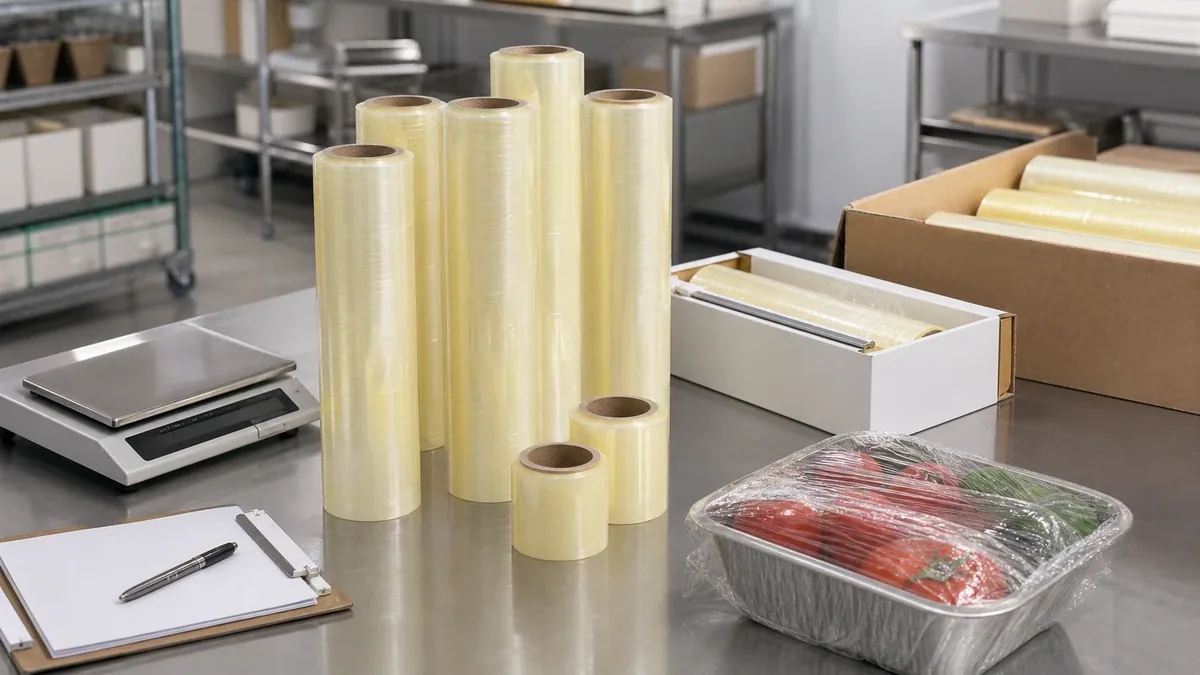
Review Food-Contact Evidence Against Intended Use
For U.S. projects, FDA maintains information on food contact substances and conditions of use. For EU projects, the European Commission explains that food-contact materials are subject to general and material-specific requirements and notes possible effects on taste and smell in its food-contact materials overview. The buyer should review the exact material, formulation status, intended food, contact condition, destination, and supplier documents with a qualified compliance party.
Escalate With a Clear Question
If laboratory work is needed, define what the complaint evidence is asking the laboratory to investigate. Send representative complaint and reference samples with chain-of-custody information. Do not request a vague “full test,” and do not use a general migration or composition report to claim it explains a sensory observation unless the method and result actually address that question.
- Hold identified stock while the scope is assessed.
- Preserve unopened samples from the complaint and reference lots.
- Review warehouse history and carton condition.
- Check production, packaging, ink, adhesive, and raw-material change records.
- Document the conclusion, limitations, affected scope, and release decision.