
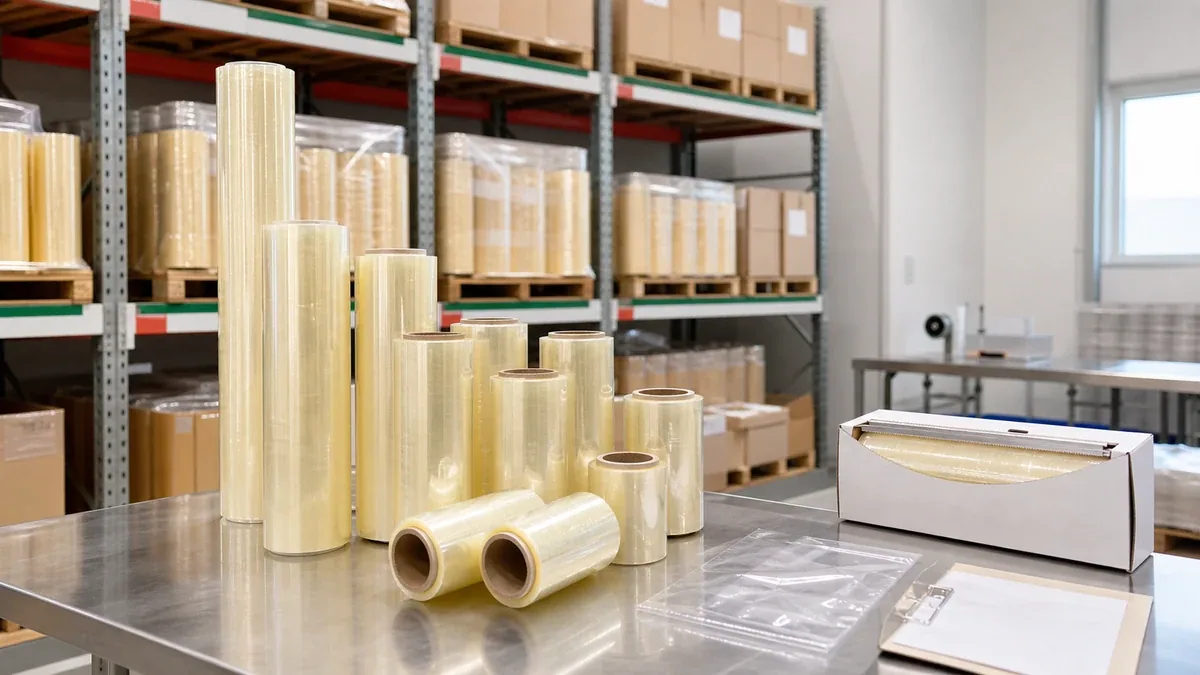
Warehouse problems often look like factory problems by the time a customer opens the carton. Lost lot labels, hot upper racks, damp floors, mixed rotation rules, and crushed lower layers can erase the evidence needed for a fair complaint review. Basic stock discipline protects both film condition and traceability.
Make Every Carton Traceable
Receiving date, supplier lot, production date where provided, SKU, quantity, and warehouse location should stay connected. Relabeling must not cover the original lot evidence. If pallets contain several lots, identify their physical boundaries so a complaint or hold does not affect unrelated stock.
Choose and Document the Rotation Rule
FIFO uses the earliest received stock first. Where shelf-life data and production dates are controlled, a first-expiring-first-out rule may be more relevant. The warehouse should state which rule applies, how exceptions are approved, and how returned or held stock re-enters inventory.
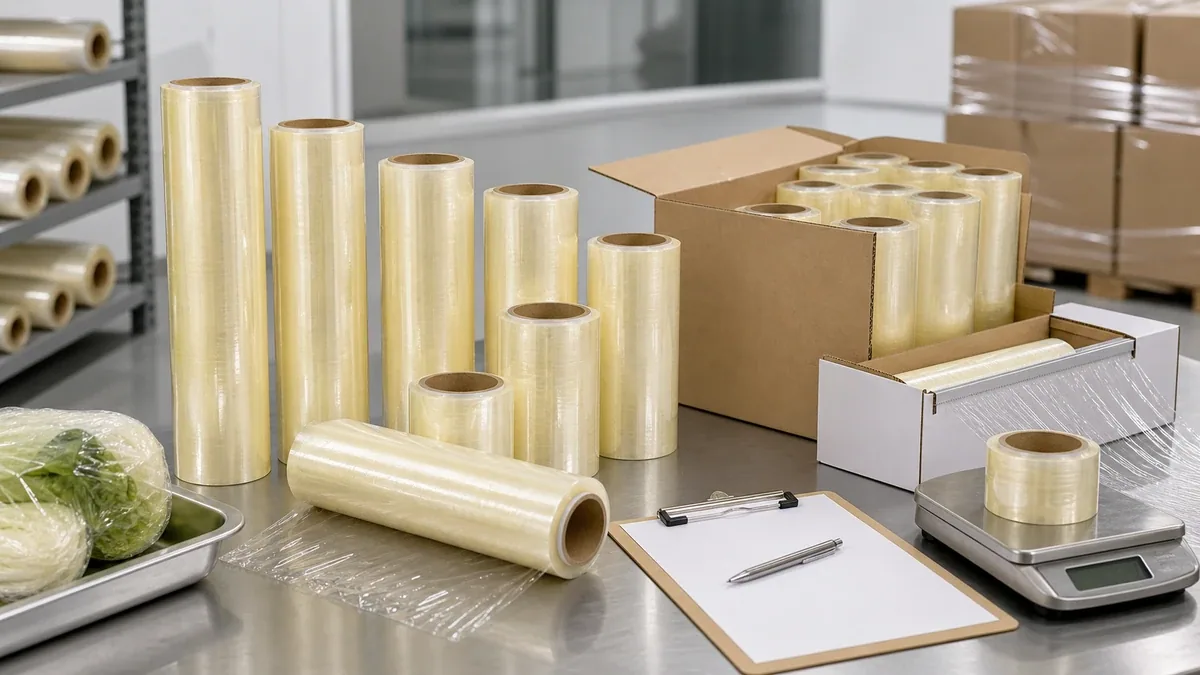
Inspect the Storage Environment and Stack
- Keep cartons away from direct sunlight, obvious heat sources, water, and strong odors.
- Follow product-specific storage information supplied for the ordered film and packaging.
- Use stable pallets or racking without carton overhang or concentrated pressure.
- Do not exceed the approved carton or pallet stacking configuration.
- Check for roof leaks, floor moisture, torn stretch wrap, pests, dust, and crushed lower cartons.
- Separate damaged, returned, expired, or unidentified stock from available inventory.
Use a Condition Check Before Dispatch
Look at carton closure, deformation, moisture marks, shipping labels, retail box shape, roll profile, and core ends on a defined sample. Stock stored longer or exposed to an exception may need a wider review and functional unwind check. Record who released it and which lots were selected.
Do not reset age by repacking: Moving rolls into new cartons can improve appearance but does not change production or receipt history. Preserve original lot and date information through any rework.
Connect Complaints Back to Warehouse History
For poor unwind, damaged cores, haze, odor, weak cartons, or telescoping, retrieve receipt photos, location history, exposure exceptions, picking date, and a retained reference. Compare this with the arrival inspection. Stable repeat orders depend on consistent storage as well as the controls described in repeat-order specifications.
Questions a warehouse procedure should answer
Should cling film use FIFO or FEFO? Use the rule supported by the product’s stated shelf-life and storage information, then document it consistently. Do not invent a generic expiry period.
What must stay visible on a split pallet? Keep supplier lot, receipt date, SKU, quantity, and location connected to each physical group. Check the ordered pack against the commercial roll format without covering original traceability marks.
What should happen after a heat or damp-storage excursion? Hold the identified stock, record duration and location, inspect carton and roll condition, and follow the product-specific disposition process. Moving cartons to a better rack does not erase the exposure history.
How often should stored cartons be checked? Use a risk-based interval tied to storage conditions, stack load, stock age, and dispatch frequency. The check should retain dated observations and trigger action before visibly weakened cartons are picked for customers.