
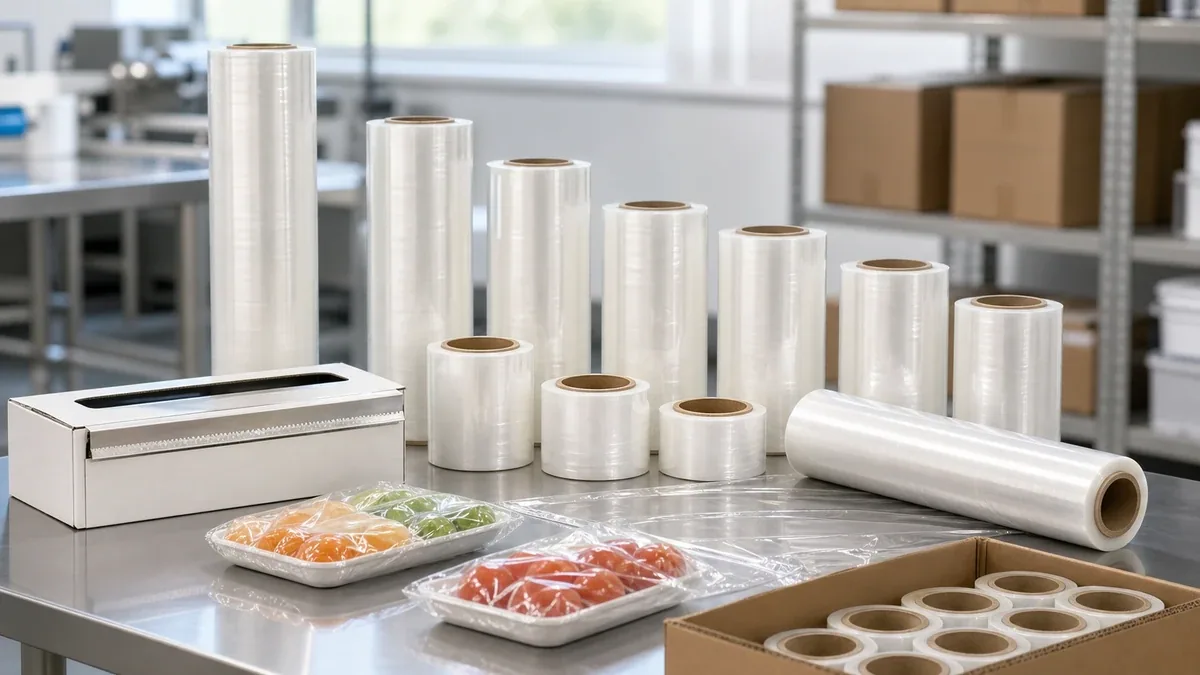
“Send FDA and EU certificates” is not a complete document request. The supplier first needs the film identity, material, food types, contact time and temperature, destination, and proposed claims. Only then can each U.S. regulatory basis or EU declaration be matched to the finished article.
Create a Product-Use-Market Record
| Field | Buyer Input | Why It Changes the Request |
|---|---|---|
| Product | SKU, material, structure, color, thickness, site | Connects documents to current production |
| Food | Food categories, fat or moisture context where relevant | Restrictions and test conditions may differ |
| Use | Contact time, temperature, storage, heating, repeat use | Defines the intended conditions |
| Market | Country or region and importer requirements | Determines applicable framework and language |
| Claims | Food-contact, material, additive, environmental wording | Each claim needs its own support |
Frame the U.S. Request Around Regulatory Status
FDA provides inventories and guidance for food contact substances. Depending on the substance and use, relevant status may arise through a regulation, an effective food-contact notification, a prior sanction, a threshold exemption, or another applicable basis. Ask the supplier to identify the basis and restrictions relied on for each material or component, then have a qualified reviewer connect it to the finished film.
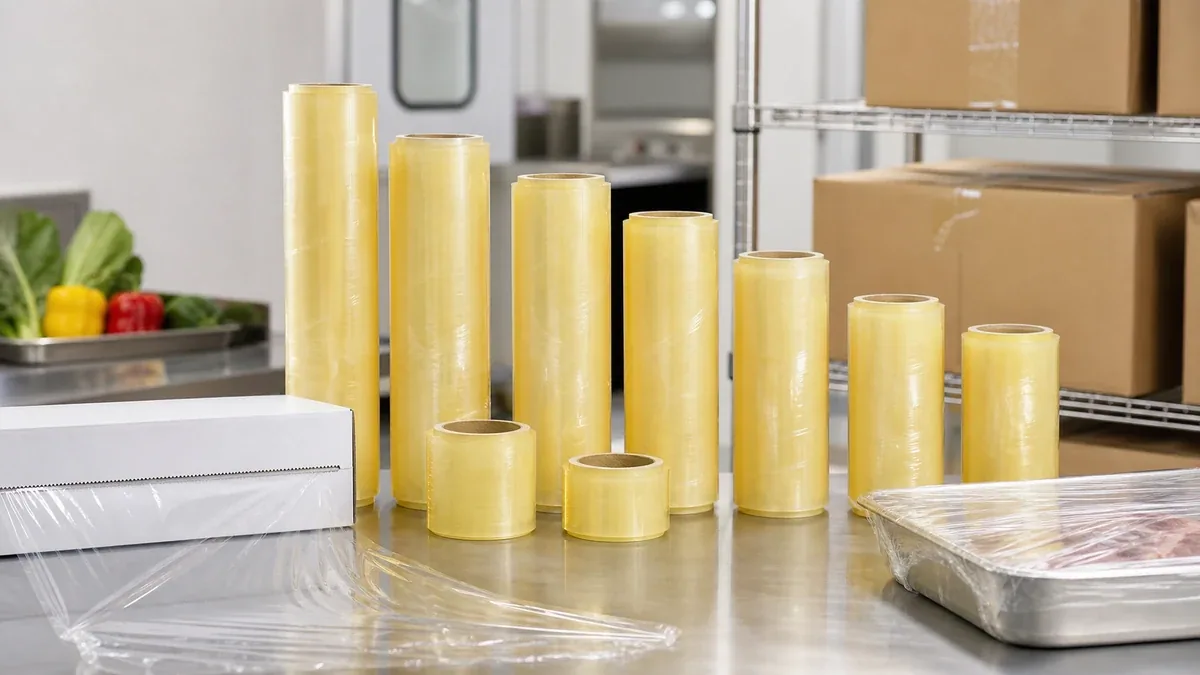
A laboratory report can support composition or migration questions, but it is not automatically an FDA approval certificate. Confirm who issued each statement, what sample it covers, and whether the underlying status is current.
Frame the EU Request Around Applicable Measures
The European Commission’s food-contact legislation page maps general rules, good manufacturing practice, plastics requirements, and specific measures. The request may include an appropriate declaration of compliance, supporting information, traceability, migration evidence, and substance restrictions depending on the material and article. Country-specific requirements may also need review.
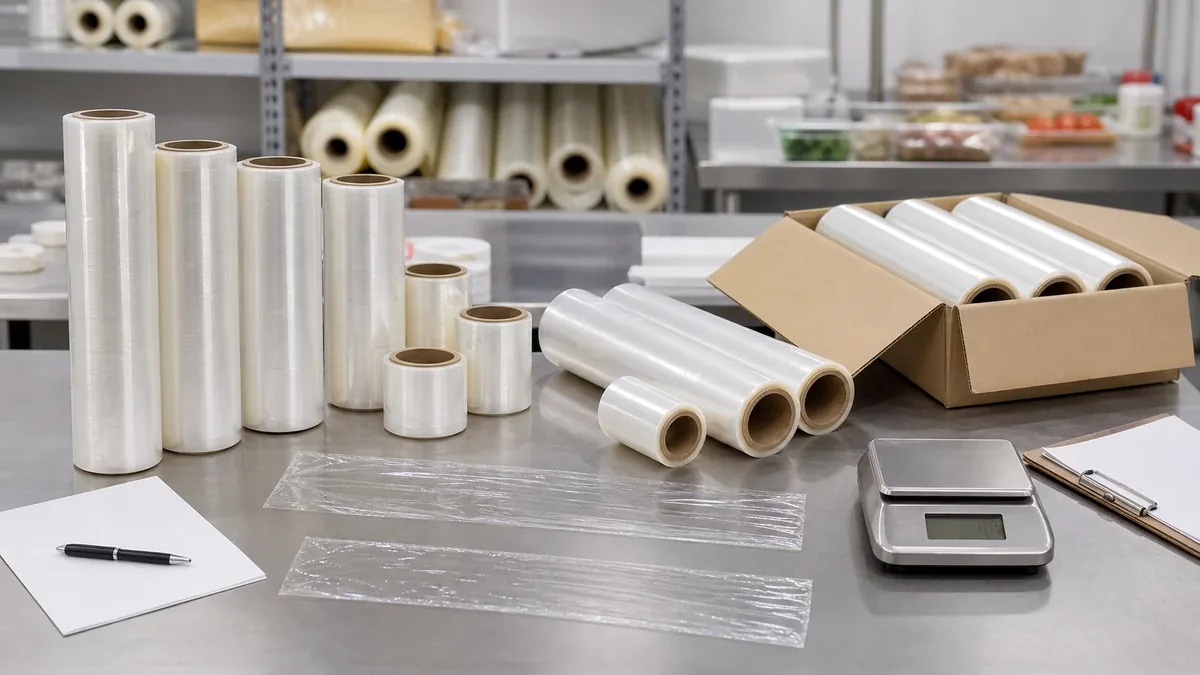
Audit Every File Against the Same Fields
- Supplier legal name, manufacturing site, and report holder
- Exact product code, material, color, thickness, and sample photo where useful
- Regulatory reference, edition or amendment context, and restrictions
- Intended foods and contact conditions represented
- Laboratory, method, simulants, time, temperature, results, limits, and units
- Issue date, validity logic, formulation revision, and change-notification status
- Unresolved gaps and the person responsible for approval
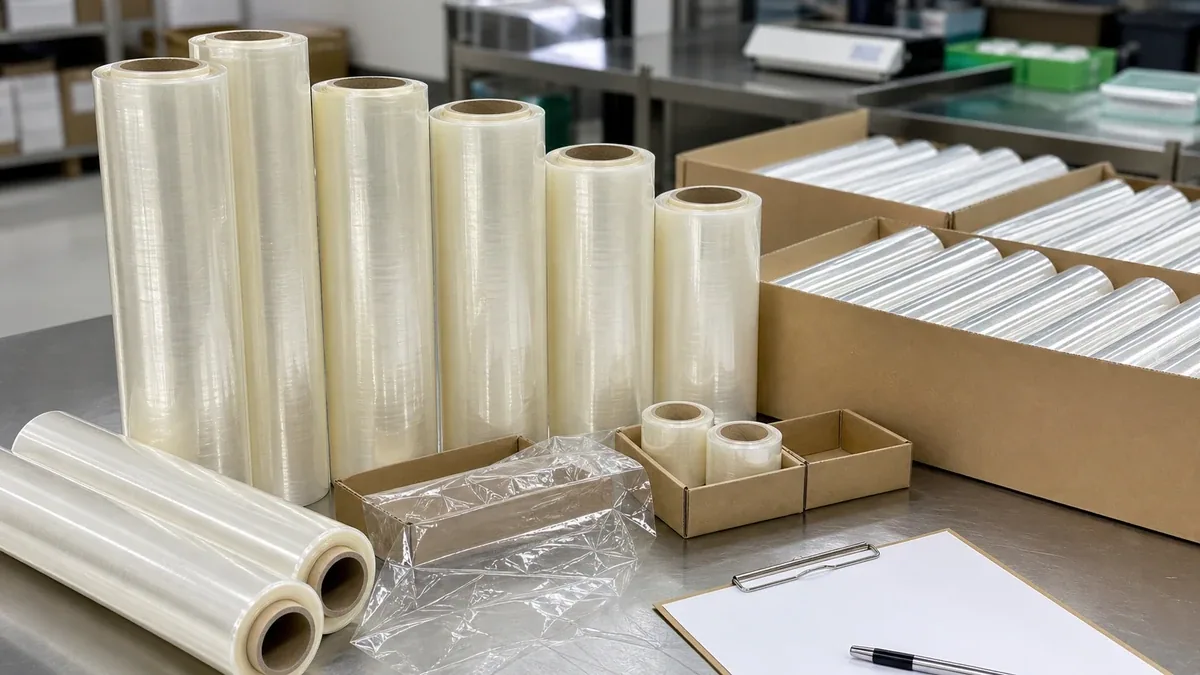
One folder is not one approval: A set of legitimate reports may cover different films, sites, conditions, or older formulations. Product-to-document matching is the central review task.
Set the Approval Gate Before Deposit
Classify files as received, under review, accepted for the defined scope, rejected, expired, or missing. State which gaps block sampling, artwork, deposit, production, or shipment. Preserve the approved set by SKU and revision, and reopen it whenever the formulation question or manufacturing basis changes.
Questions to resolve before accepting a document folder
Is a laboratory report an FDA approval certificate? No. A report may support a composition or migration question, while U.S. regulatory status follows the applicable regulation, notification, prior sanction, exemption, or other basis.
Can one EU declaration cover future formulation changes? Only within its supported identity and change controls. Match site, SKU, formulation, thickness, use, and revision. The commercial product page describes supplier scope but does not replace a market-specific DoC review.