
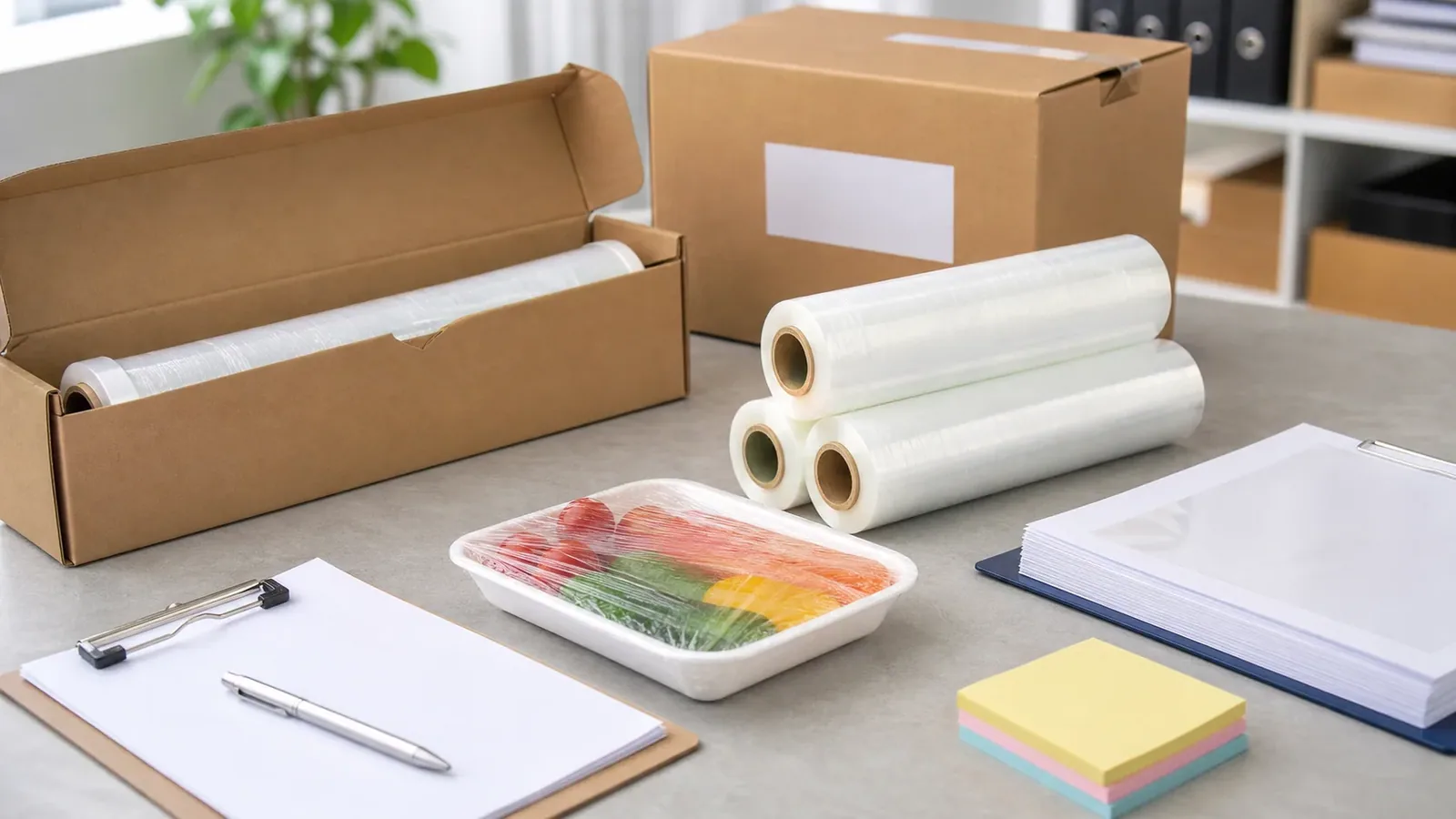
A first import order is easier to control when it is split into gates: use case, written specification, working sample, documents, printed packaging, and shipment evidence. Skipping ahead creates expensive ambiguity. For example, paying a deposit before the cutter-box sample and carton plan are settled leaves important cost and quality decisions open.
Start With the Real Use Case
Cling film is not purchased in a vacuum. A restaurant distributor, supermarket produce packer, meat tray supplier, and private label retail brand may all ask for “cling film”, but they do not test the product in the same way. The buyer should explain the end use before comparing prices.
Useful details include target market, food type, tray material, wrapping method, storage temperature, roll dispenser type, and whether the product will be sold as a retail box or used in food-service operations. This first step prevents the supplier from quoting a product that looks correct on paper but does not fit the buyer’s channel.
What this looks like in an order: A new importer asks for the cheapest cling film roll for restaurant customers. After sample review, the real need is a stronger cutter box, clearer carton labels, and a roll width that fits common hotel pan coverage. The corrected checklist avoids a low-price order that would be difficult to resell.
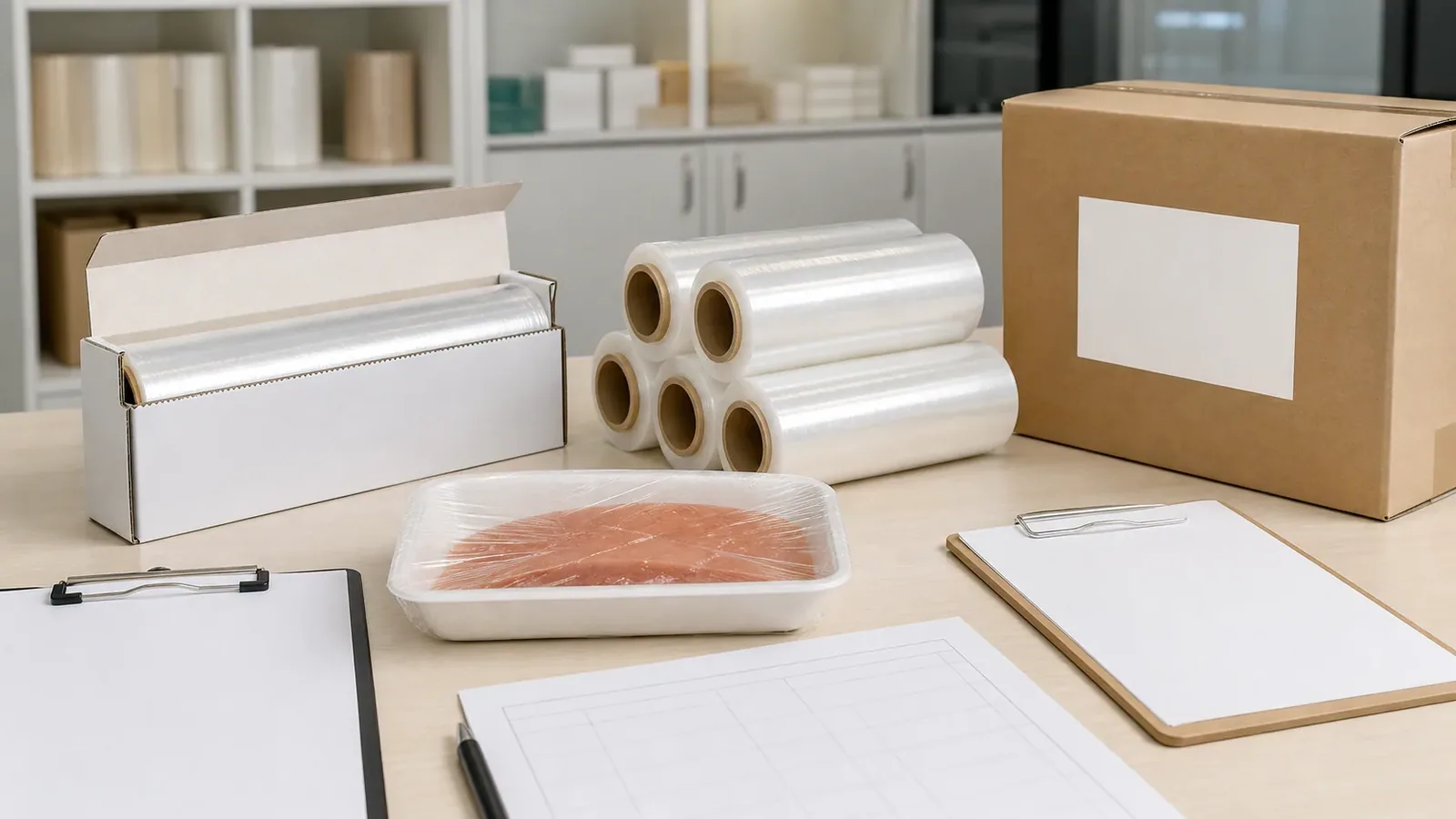
Confirm the Core Roll Specification
The first quotation should state roll width, roll length, thickness or gauge reference, roll weight where used, material type, core size, and packing format. If the buyer only asks for a “standard roll”, different suppliers may quote different products and the price comparison becomes weak.
| Specification | Buyer Question | Why It Matters |
|---|---|---|
| Width | What tray, pan, or dispenser width must it fit? | Wrong width creates waste or poor coverage. |
| Length | Is the quoted length clear and realistic for the roll? | Length changes unit cost and customer expectation. |
| Thickness or weight | Which reference is used for price comparison? | Thin film can look cheaper but may cause more waste. |
| Core size | Does it fit the cutter box or dispenser? | Wrong core can affect roll rotation and use. |
| Packing format | Plain roll, refill roll, cutter box, or private label box? | Packaging changes cost, MOQ, lead time, and carton size. |
Approve Samples Before Bulk Production
Sample approval is the most practical risk control for a first order. Test the sample in the same way the product will be used. Pull it from the box, cut it repeatedly, wrap real trays, check edge hold, inspect clarity, and compare roll weight and carton label details against the quotation.
The approval should be recorded. A simple sample approval note can include sample date, product code, width, length, thickness or weight, box type, carton packing, test result, and remaining concerns. This record becomes the benchmark for the first bulk order.
Check Cutter Box and Packaging Details
If the first order includes cutter boxes, packaging should be tested as carefully as the film. A weak box can make a good film feel difficult to use. A poor blade can create tearing complaints. Incorrect artwork or barcode can delay retail sales.
Test repeated use
Check blade position, box strength, roll fit, pull-out opening, and user handling.
Control artwork
Confirm dieline, logo, barcode, language, claims, and final file version before printing.
Confirm export packing
Review pieces per carton, carton size, gross weight, carton mark, and pallet method.
Review Documents Without Overclaiming
Food packaging buyers often ask for test reports or food-contact documents. This is reasonable, but documents should be reviewed carefully. A report should match the relevant product, material, sample description, test item, date, and target market as much as possible. A generic document should not be used as a blanket promise for every product and market.
First-time buyers can review available documents with the supplier and then confirm local requirements with their own compliance adviser or importer of record. If a specific market requires additional testing or wording, confirm that before bulk production.
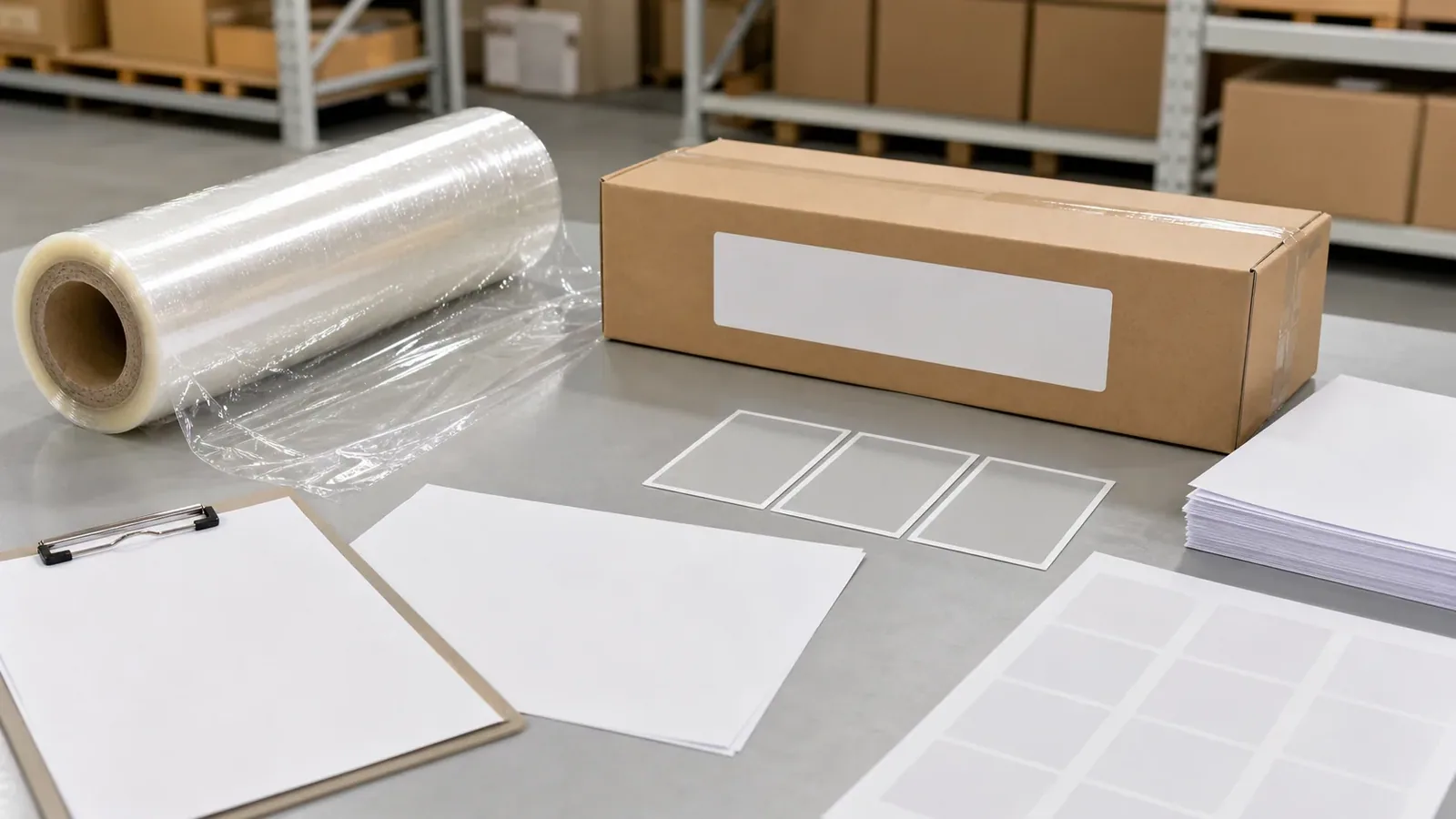
Carton Packing and Loading Are Part of the Order
Carton packing should be part of the first-order checklist because it affects landed cost and receiving. Ask for carton dimensions, gross weight, pieces per carton, carton marks, and estimated loading quantity. If the order has multiple widths or private label versions, carton marks need to be especially clear.
- Confirm carton size and pieces per carton before final price approval.
- Check whether cartons are suitable for cutter box protection.
- Ask whether the shipment will be floor loaded or palletized.
- Confirm carton mark fields for SKU, PO number, size, and quantity.
- Request packing photos, carton label photos, and loading photos.
Payment and Lead Time Should Be Connected to Approvals
For a first order, lead time is not only production time. It may include sample review, artwork confirmation, document review, material preparation, printing, carton packing, booking, and loading. Buyers should not pressure the supplier for a final shipment date before the order details are approved.
Payment stages should also match the approval path. Before deposit, confirm the product specification, sample requirement, artwork status, carton packing, and document expectation. Before balance payment, review production photos, packing photos, carton labels, and shipment arrangement where agreed.
First Order Checklist Before Deposit
- End use, market, customer channel, and target packaging format.
- Roll width, length, thickness or weight, material, and core size.
- Sample test plan and sample approval record.
- Cutter box, private label artwork, barcode, and claims if applicable.
- Carton size, pieces per carton, gross weight, carton mark, and pallet plan.
- Available test reports or food-contact documents for buyer review.
- Lead time path, shipment method, and pre-shipment photo requirement.
Buyers can also review questions for choosing a cling film supplier in China, compare YIYUAN cling film products, and send first-order requirements through the contact page.
Two supporting checklists go deeper where first orders usually stall: sample approval and test-report review.
Turn the first order into clear approval gates
Start with the intended channel, roll specification, sample status, packaging level, target market, and desired shipment window. Those details define the order path.