
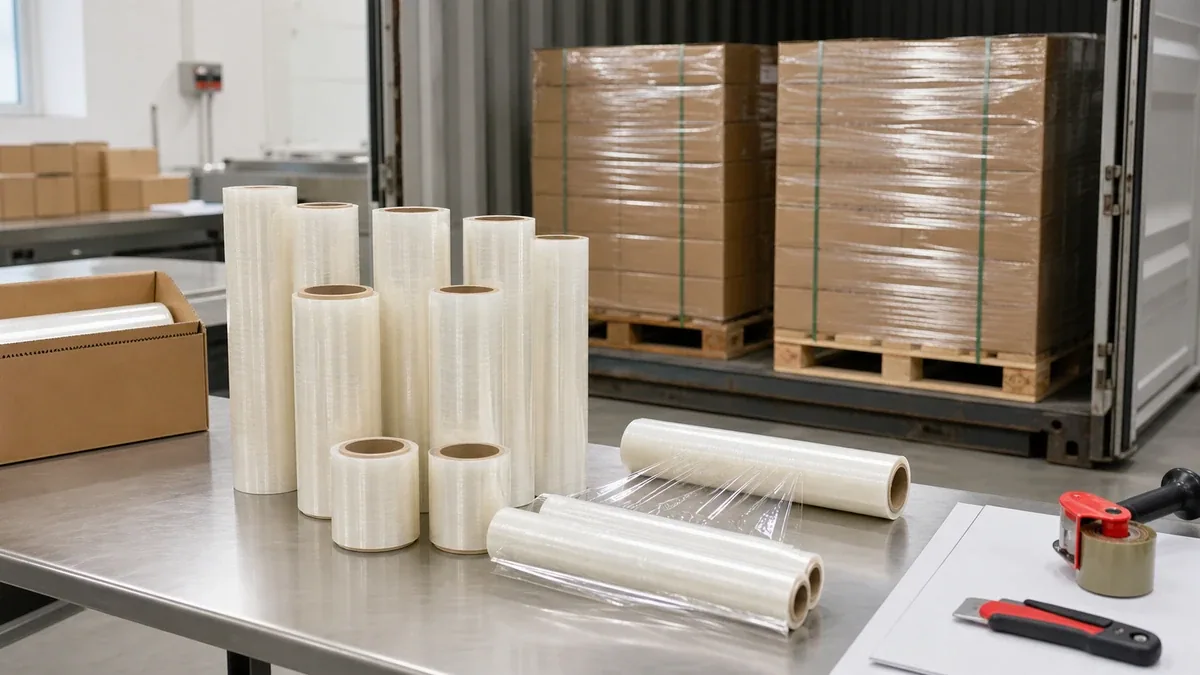
Heat damage at sea is rarely documented by one dramatic photograph. More often, a lower carton leans, a pallet gap grows, and several rolls arrive oval or shifted. Route, season, pallet pattern, carton strength, and loading evidence need to be reviewed together before assigning a cause.
Identify What Can Change in Transit
Soft wound rolls may flatten, telescope, or shift on their cores. Cores can deform when loads concentrate at the ends. Retail boxes may bow or open, cutter components can move, and master cartons can lean or crush. Heat exposure, storage time, pallet pattern, carton strength, headspace, and securing all interact, so a single failure rarely proves one cause.
| Risk Area | Planning Question | Arrival Evidence |
|---|---|---|
| Heat | What route, season, waiting time, and storage points are expected? | Container condition, data if agreed, roll profile and unwind comparison |
| Stack load | How many carton layers and what pallet overhang? | Lower-layer carton and roll condition |
| Cargo movement | How are voids, pallets, and loose cartons restrained? | Door-opening view, shifted pallets, torn wrap, leaning stacks |
| Moisture | Are cartons, container, pallets, and loading area dry? | Wet marks, odors, softened board, staining, affected locations |
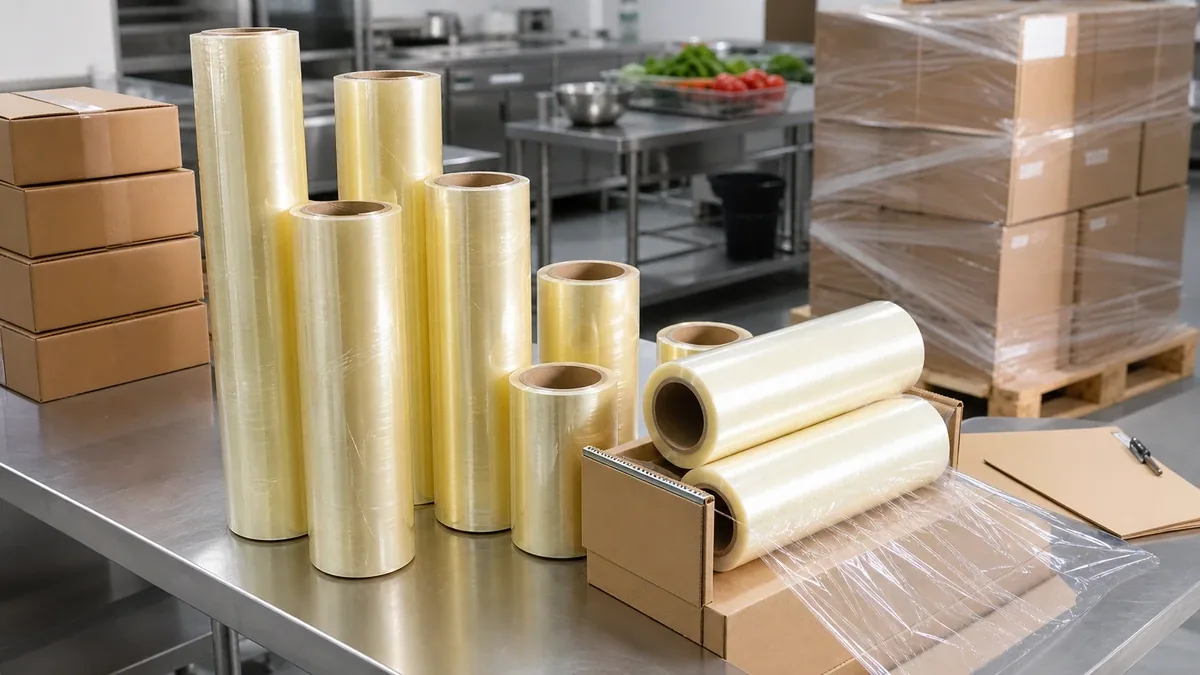
Questions to ask while the shipment evidence still exists
Can a container temperature estimate prove why a roll deformed? It can support the investigation, but packing pressure, pallet movement, winding, storage time, and roll position also need evidence.
What should be fixed before the next shipment? Start with the actual roll, carton, pallet, route, and failure position rather than a generic “heat-resistant” request. Confirm the ordered format on the commercial roll page and change only controls supported by the investigation.
Approve the Final Pack Under Load
Use production-equivalent rolls, retail packs, master cartons, pieces per carton, gross weight, pallet pattern, wrapping, and edge protection in transport trials. A successful empty-box or light-sample test is not evidence for the final load. The carton compression and handling plan explains how to connect outer-pack and product checks.
Do a Loading Review, Not Only a Calculation
Confirm carton orientation, pallet footprint, overhang, stack height, voids, mixed SKU placement, container floor condition, and restraint method. Photograph the empty container, each loading stage, completed rows, door area, seal, and shipping marks. Avoid using unverified load-bearing claims for pallets or cartons.
Investigate Deformed Rolls With Matched Evidence
When a roll arrives flattened or off-center, record its carton position, pallet layer, core, roll face, retail box, and nearby units before reshaping or using it. Compare an affected roll with a retain sample and a sound arrival sample from the same lot. Note whether the roll recovers after conditioning and whether unwind or cutting is affected.
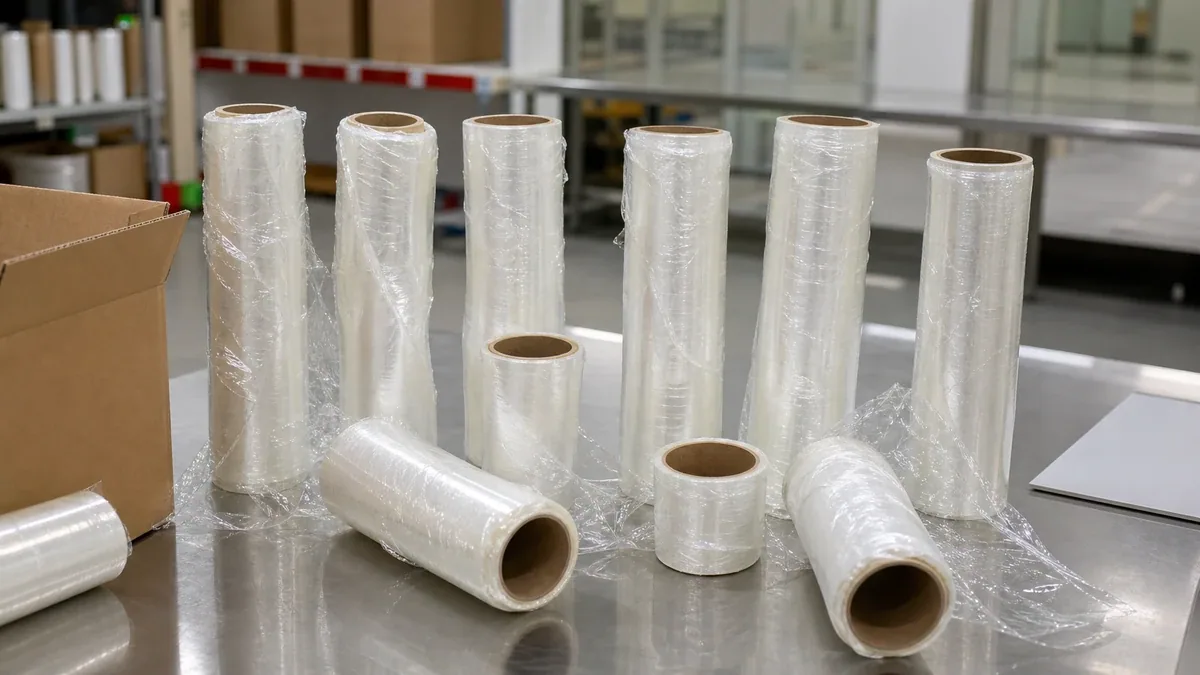
Avoid instant cause labels: A telescoped roll may reflect winding, heat, stacking, impact, storage, or a combination. Loading photos, production records, pre-shipment samples, and arrival distribution are stronger than appearance alone.
Define the Arrival Decision Before Shipping
- Which carton and roll conditions trigger a hold?
- How will affected quantity be established?
- Which functional tests will determine saleability?
- What samples and packaging will be retained?
- Who must be notified and within what commercial timeline?
Use the detailed incoming inspection sequence to preserve door-opening, unloading, and warehouse evidence.