
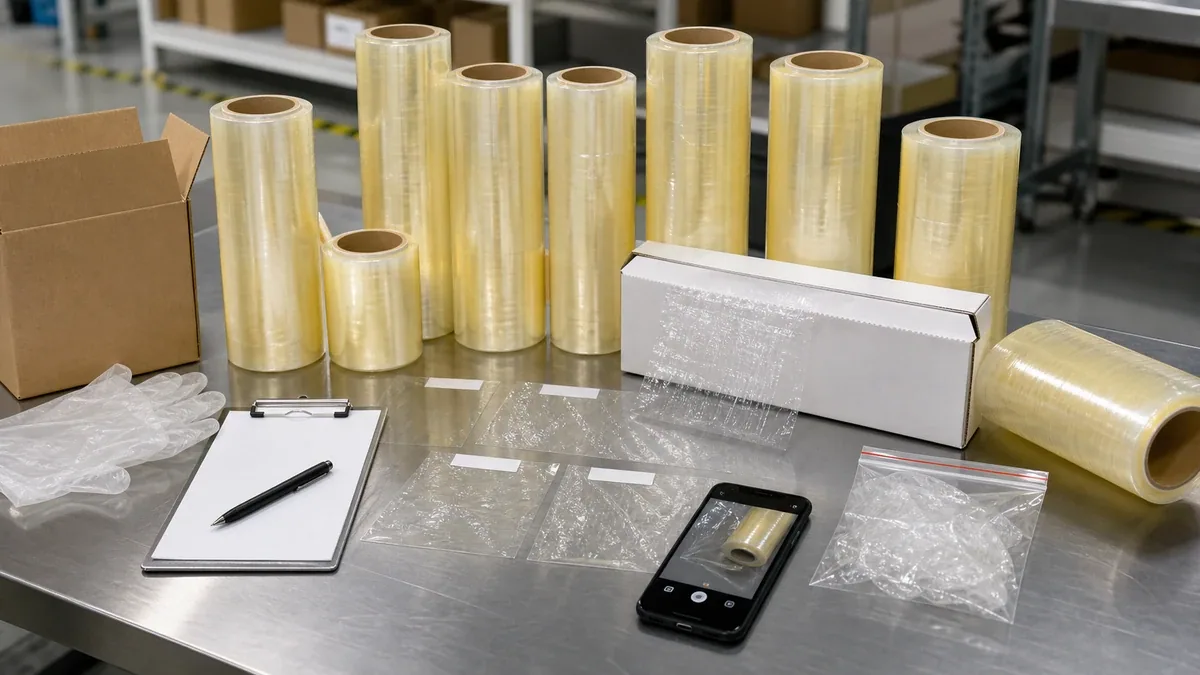
The most useful complaint photograph is often the one taken before the roll is removed from its carton. It preserves the label, pallet position, packing condition, and scale that later close-ups lose. Collect identity and context first, then document the defect without forcing it into a preferred root cause.
Capture Identity Before the Pack Is Discarded
Photograph the master carton mark, retail pack, roll label, core marking, lot or date code, and shipping label. Record purchase order, delivery, warehouse location, customer, SKU, and quantity. If the marking is missing or unreadable, state that clearly rather than guessing the lot.
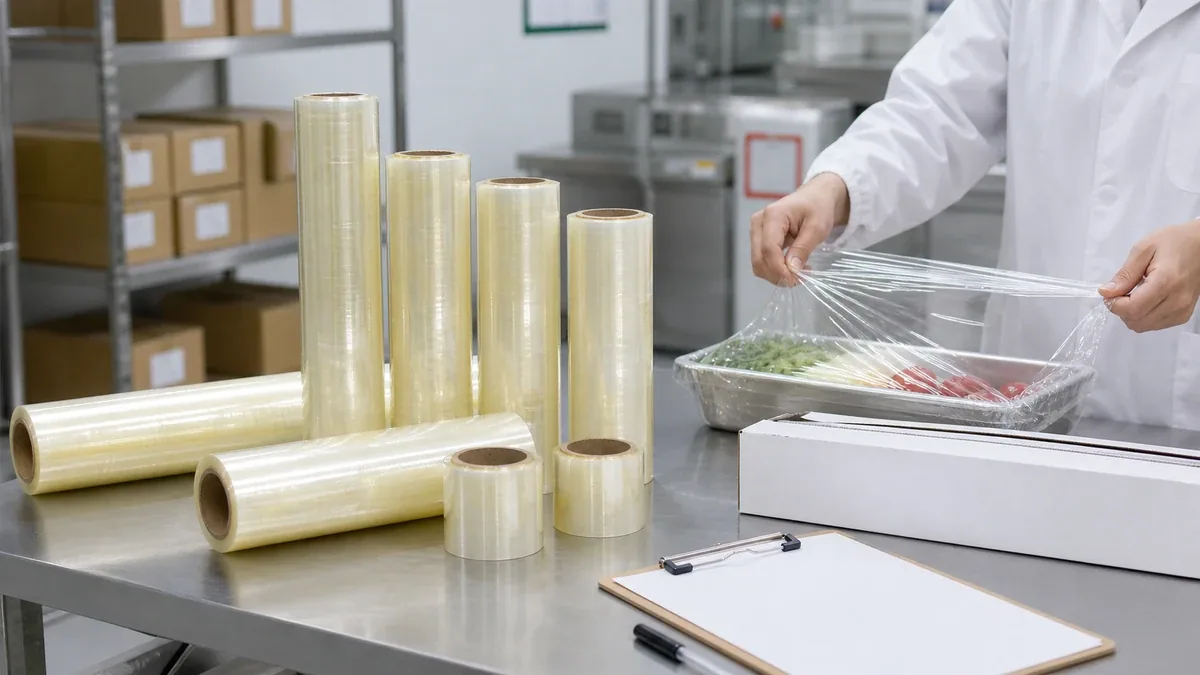
Show the Defect in Context and Close Up
One wide image should show the roll, box, tray, dispenser, or carton as used. Close images should show the defect and its location. Include a ruler or other appropriate scale without hiding the surface. For unwind, tearing, telescoping, cutter, or wrapping behavior, a continuous video often preserves sequence better than isolated photos.
| Complaint Type | Context to Record | Sample to Preserve |
|---|---|---|
| Not sticking | Tray rim, moisture, food, temperature, tension, overlap | Tray, unopened roll, used film where practical |
| Tearing or cutting | Edge, cutter, pull angle, dispenser, damaged section | Roll with defect position marked and box |
| Short or light roll | Scale, core, method, readings, unopened comparison | Complete measured roll and core |
| Carton or box damage | Pallet layer, outer carton, internal arrangement | Original packaging and affected product |
Describe Frequency Without Extrapolation
Record units used, units checked, affected units found, cartons involved, first and last occurrence, and whether the issue is continuous or intermittent. “The whole shipment is bad” is not supported by one returned roll. Equally, one clean retain sample does not disprove a distributed or intermittent problem.
Compare With an Approved and a Lot-Matched Reference
Where possible, review the complaint sample beside the approved retain, supplier retain from the production lot, and an apparently sound unit from the delivered stock. Apply the same measurement and functional method from the sample-to-bulk approval agreement.
Keep Containment Separate From Root Cause
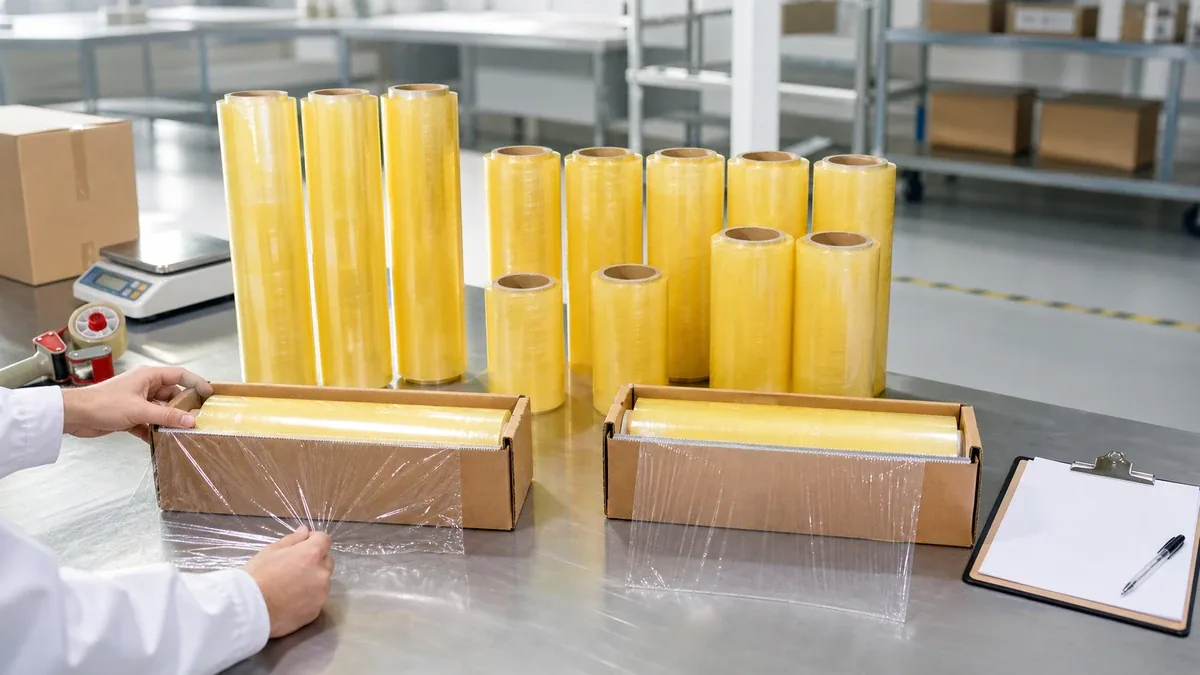
Hold identified stock, stop distribution where warranted, supply temporary replacements, or widen inspection based on the commercial risk. These actions protect customers while the cause remains open. Root-cause review may involve film production, winding, conversion, box assembly, freight, storage, tray condition, or user method.
- Assign a complaint ID, owner, received date, and response due date.
- Preserve original files instead of screenshots compressed by messaging apps.
- Use the arrival record to check pre-existing damage.
- Document affected scope, conclusion, corrective action, and effectiveness check.
- Close the complaint only after the disposition is communicated.
Questions to answer before the sample is shipped back
How many photos are enough? Count is less important than coverage: carton and roll identity, wide context, close defect, scale, use setup, and unaffected comparison. Video is better for unwind or intermittent failures.
Should the buyer estimate the affected percentage immediately? Report observed and checked quantities first. Do not extrapolate without a sampling basis. Match the complaint SKU to the commercial product record and retain representative sealed samples.